

Hawley Retainers

The retainer a dentist can still adjust in three years — and the only one that lets the posterior occlusion settle where it wants to.

Wire and acrylic look old-fashioned next to a clear tray. They also do two things no thermoformed retainer can — let the posterior occlusion settle, and be adjusted chairside for years — and both matter over the length of a retention period.

Jahn De Khudikine, Founder · Universal Dental Lab
Jahn De Khudikine Founder · Universal Dental Lab

Why send it here

A Hawley wire that drifts relapses the case. We bend and finish it to the model you approved.

A practice's schedule lives or dies by the lab — I've watched one late case push back a whole day of chair time.

So I still know the cases moving through this lab, and I answer for how each one is made. Send a case here and it doesn't drop into a queue — it lands with me and one technician who carries it start to finish.

Start a case
Adjustable bow
The labial bow is tightened chairside for years — a thermoformed retainer offers you nothing but a remake Fractured acrylic and distorted wires repaired at the bench
Posterior uncovered
The occlusion is free to settle in after treatment, which a clear retainer prevents Occlusion checked on the model before it ships
Your technician
One person holds your case Reach them directly — no call-center queue
Free scanner
3Shape TRIOS 6 for partners Go fully digital at no cost

Retainer Comparison

Hawley, Essix or Clear Retention?

Settling, adjustability and visibility. Every retainer decision comes down to trading one of these against another — pick the one the case needs, we build all three.

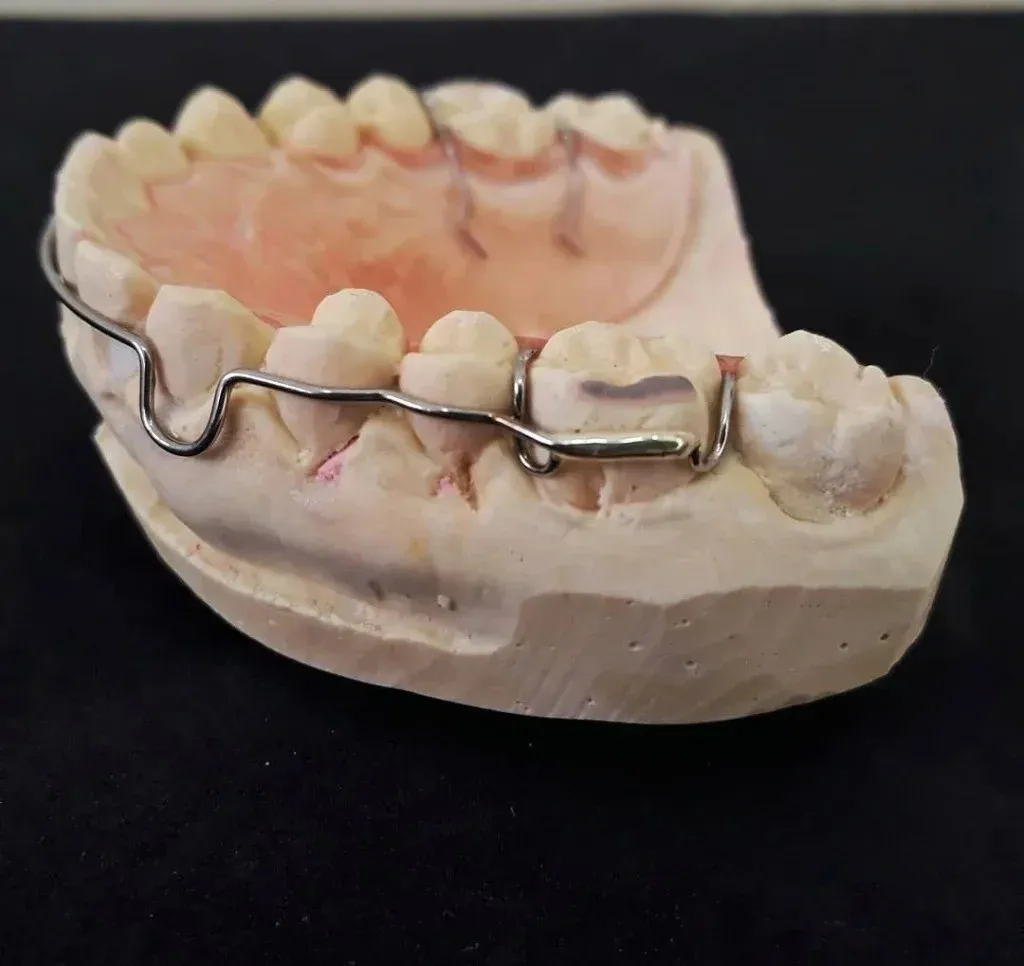
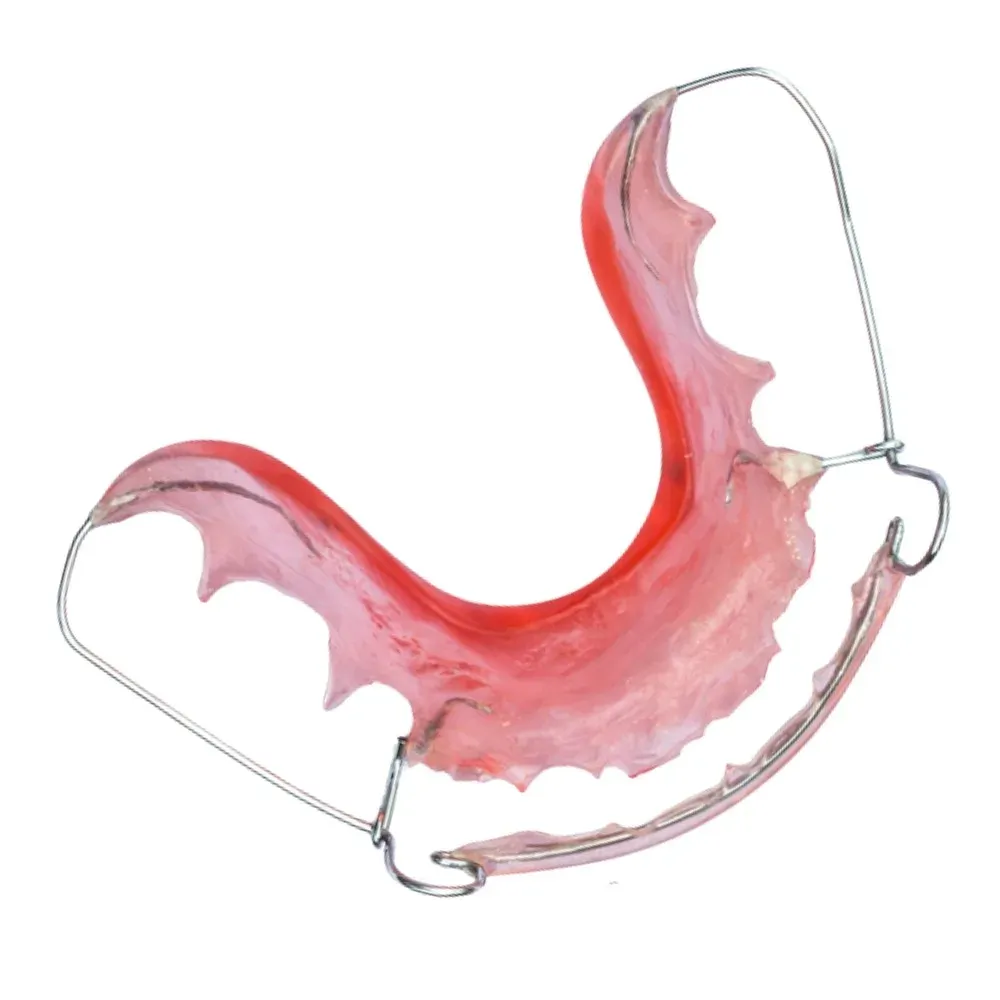
Hawley retainer, labial bow over an acrylic base, on the model
Hawley Retainers You are here
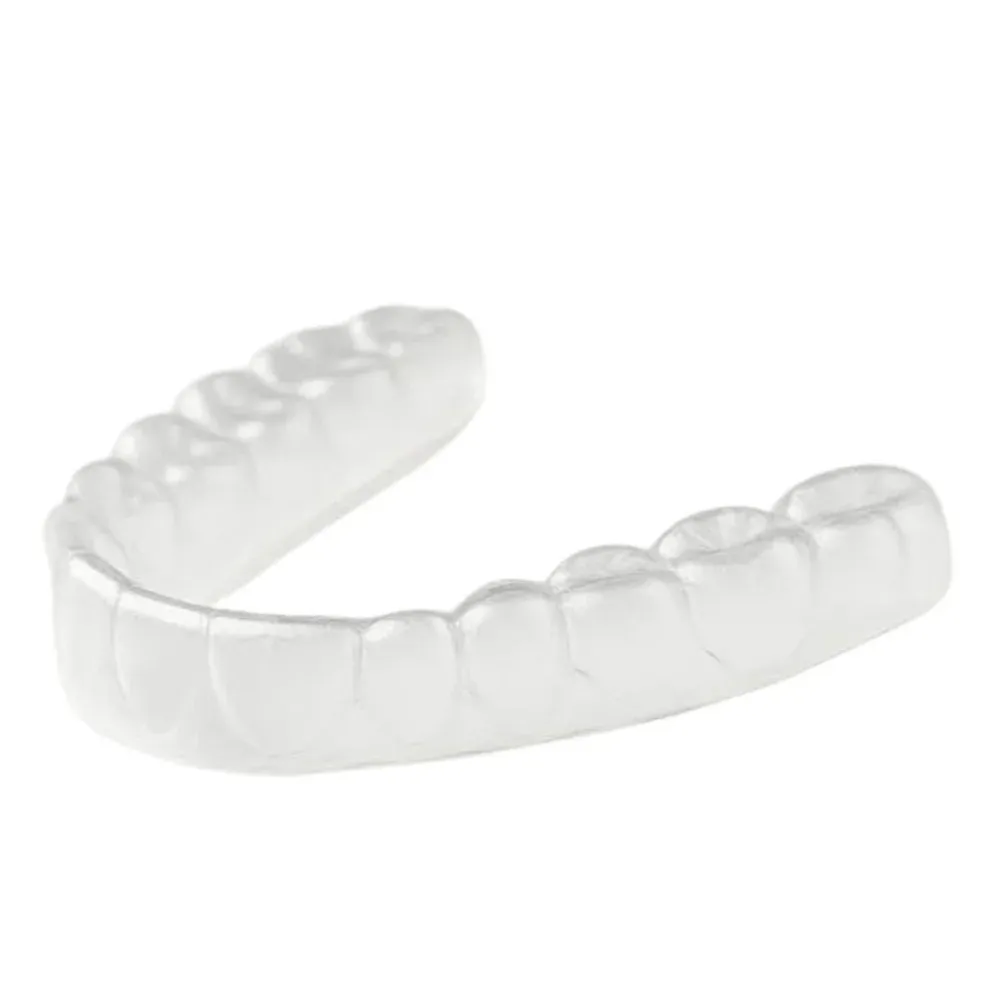
Thermoformed Essix retainer on the finished arch
Essix Retainers
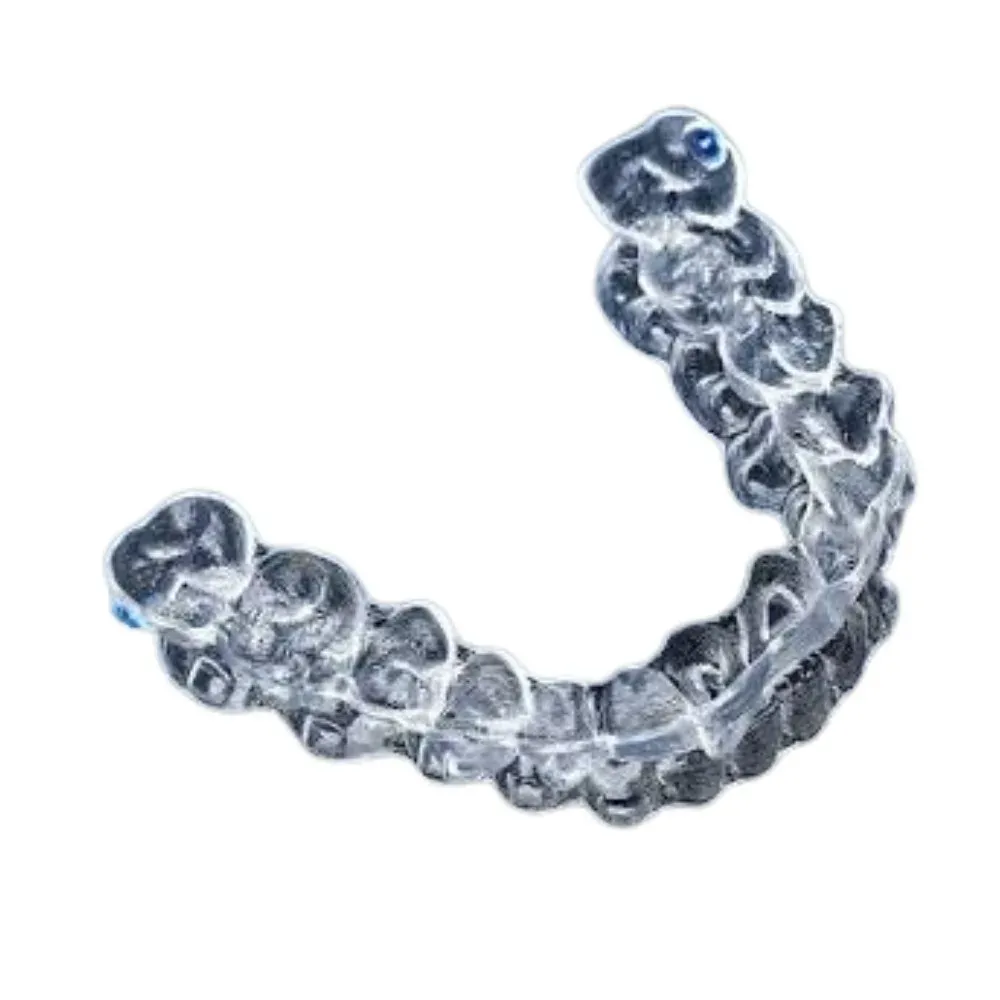
Clear ortho retainer with an archived duplicate file
Clear Ortho Retainers
Occlusion can settle? Yes — the posterior teeth are uncovered No — full occlusal coverage holds the teeth apart No
Adjustable? Yes — the bow is tightened chairside for years No — replaced, not adjusted No — but replacements come from an archived file
Visible? Yes — the labial wire shows No — that is its main appeal No

These are qualitative trade-offs, not rankings. The right retainer depends on the case, the patient and the retention plan — confirm the choice with the lab if you are unsure.

Appliance
Labial bow in stainless wire on an acrylic base
Adjustability
Bow tightened chairside for years
Occlusal coverage
None — posterior free to settle
Turnaround
Quoted per case at intake
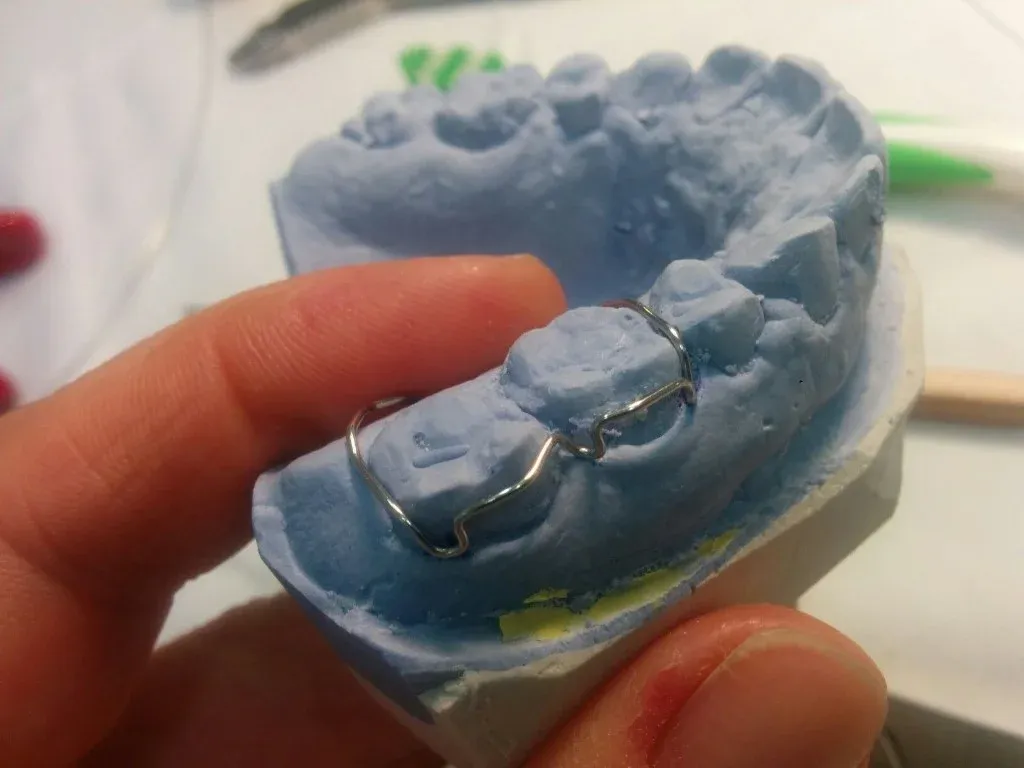
Hawley retainer with an adjustable labial bow on the master model

Overview

It Does the Two Things Clear Retainers Cannot

Wire and acrylic look old-fashioned next to a clear tray. They also do two things no thermoformed retainer can, and both of them matter over the length of a retention period.

The trade is visible, literally. The wire shows, and compliance is lower for it — so prescribe it when the case calls for it, not because it is the better appliance on paper.

  • Settling: A clear retainer covers the occlusal surfaces, and covered teeth cannot seat. A Hawley leaves the posterior uncovered and free to settle, while the labial bow holds the anterior alignment.

  • Adjustability: Retention is measured in years, and things move. A labial bow is tightened chairside; a thermoformed retainer offers you nothing but a remake.
Learn more
A technician adapting a stainless labial bow on the acrylic base

At the Bench

Bent, Fitted and Finished on the Model

This is analog work, and it holds up. The bow is bent and adapted on the model of the finished arch, the acrylic is processed to the palate or lingual, and the appliance is fitted before it leaves the bench.

When it comes back years later needing attention, it usually needs adjusting — not replacing. That is the whole point of it.

  • Model integrity: Produced from the arch as it finished — take the record close to debond so the appliance holds the position it was built from.

  • Labial bow: Adapted to the anterior contour, with room to be tightened later.

  • Acrylic base: Processed and finished, in the color you specify.

  • Posterior occlusion: Checked to confirm the teeth are genuinely free to settle.

Learn more

The honest trade

The labial wire is visible, and compliance is lower for it. A Hawley prescribed to a patient who will not wear it retains precisely nothing — so prescribe it when the case calls for it, not because it is the better appliance on paper.

Case Selection

When a Hawley Is the Right Call

Indicated for

  • Cases finished with the posterior occlusion still needing to settle into place
  • Long-term retention where an appliance will be adjusted rather than replaced
  • Patients hard on appliances, who fracture thermoformed plastic
  • Retention that needs to work alongside a planned restorative or a pending extraction
  • Practices that want the labial bow tightened chairside as the years go on

Consider an alternative when

  • The patient will not wear anything visible — the invisible retainer worn beats the ideal one that is not
  • Speech and bulk are a real objection for the patient, particularly across the palate
  • Absolute anterior control matters most and full coverage is what you want
  • The plan calls for a fast replacement pipeline rather than an appliance maintained over years

Specifications

Hawley Retainer Specifications

Construction, adjustability and repair — what you get for the visible wire.

How we fabricate and finish a Hawley retainer.
Appliance Labial bow in stainless wire on an acrylic base, fabricated on the model of the finished arch
Adjustability The bow is adjusted chairside as the years pass — this is the defining advantage over any thermoformed retainer
Occlusal coverage None on the posterior teeth. The occlusion is free to settle in after treatment, which a clear retainer prevents
Durability The most durable of the retention options. Where a thermoformed retainer would be replaced, a Hawley is usually adjusted or repaired
Repairs Fractured acrylic and distorted wires can be repaired on the bench rather than remade from scratch
Base colors A range of acrylic base colors is available — send the choice with the case
Esthetics The labial wire is visible. This is the honest trade for adjustability and settling, and the reason compliance is lower than with clear retainers
Wear protocol Prescribed by the treating dentist
Turnaround Quoted per case at intake

A range of acrylic base colors is available — send the patient's choice with the case. It is a small thing that moves compliance more than it has any right to.

Case Submission

Sending a Hawley Case

Scans from iTero, 3Shape and Medit, or a conventional impression — plus a bite record, because the posterior relationship matters here in a way it does not on a clear retainer.

Send with the case:

  • Scan or impression of the arch as finished
  • Opposing arch and a bite record
  • Acrylic base color, if the patient has chosen one
  • Any teeth you want the bow to clear or engage differently
  • A note if the case is finishing with the occlusion deliberately left to settle

Take the record as close to debond as you can. A Hawley holds the position it was built from, and a model captured two weeks late captures teeth that have already started to drift. Upload the case, or open an account and we will walk the first one through with you.

Start a case

Send one case. Keep the scanner.

Open a partner account and your first case moves with a shade record and our remake guarantee — if a unit does not seat, we redo it at no charge.

  • Free 3Shape TRIOS 6 scanner for active partners
  • Under-2% remake rate — remakes at no charge
  • One named technician you reach directly — no call center

Prefer to talk? +1 747-268-0808

No call center — you hear back from the lab, not a bot.

Hawley FAQ

Hawley Retainers — Questions Dentists Ask

Because a clear retainer covers the occlusal surfaces, and covered teeth cannot seat into each other. If a case finished with the posterior intercuspation not quite there — which is common — a fully covering thermoformed retainer holds that imperfection in place for as long as it is worn. A Hawley leaves the posterior teeth uncovered and free to settle, while the labial bow still holds the anterior alignment. That is the single clearest indication for choosing one.

The labial bow, primarily, and that is not a small thing over a retention period measured in years. As minor movement occurs you can tighten the bow chairside and bring the anterior segment back, where a thermoformed retainer offers you nothing but a remake. Fractured acrylic and distorted wires can also be repaired at the bench rather than rebuilt. Retention is a long game, and this is the appliance built for it.

Honestly, and only when the case actually calls for it — a Hawley prescribed to a patient who will not wear it retains nothing at all, and the invisible retainer that gets worn beats the superior one that lives in a drawer. Where it is genuinely indicated, the argument is durability and adjustability: this appliance is maintained rather than repeatedly replaced. Some patients respond well to choosing a base color, which is a small thing that moves compliance more than it should.

Considerably. Wire and acrylic tolerate handling, cleaning, and a patient who is careless with appliances in a way thermoformed material does not. For a patient who has already fractured two clear retainers, this is usually the honest answer rather than a third one in a heavier gauge — though if the fractures are coming from parafunction, the underlying problem is bruxism, and that wants its own appliance.

See nightguards and splints

Because a Hawley holds the position it was built from, and there is no occlusal coverage forgiving a model that is already drifting. Capture the arch as it finished, with the opposing arch and a bite record, and note the acrylic base color if the patient has a preference. A model taken two weeks after debond captures teeth that have already begun to move — and the bow will retain that drift, not the result you thought you finished.

How to send a file

Partner Offer

A Free Intraoral Scanner for Partner Practices

Partner with Universal Dental Lab and we place a 3Shape TRIOS 6 Wireless in your operatory — free for the length of our partnership. Scan the prep, send it in seconds, and skip impressions entirely.