
Non-Precious Metal Crowns

Strong, rigid, and economical cast base-metal restorations for the posterior cases where a dental practice and its patient are led by function and cost.

When a posterior tooth needs a durable full-metal crown and cost is a real constraint, a base-metal alloy does the job — strength and a close-fitting casting without the market-linked price of a precious alloy.

Jahn De Khudikine, Founder · Universal Dental Lab
Jahn De Khudikine Founder · Universal Dental Lab

Why send it here

Economical does not mean guess the alloy. We confirm CoCr, Ni-Cr, or nickel-free before we cast.

A practice's schedule lives or dies by the lab — I've watched one late case push back a whole day of chair time.

So I still know the cases moving through this lab, and I answer for how each one is made. Send a case here and it doesn't drop into a queue — it lands with me and one technician who carries it start to finish.

Start a case
Economical cast metal
Rigid base-metal crown when cost leads and the posterior does not show CoCr or Ni-Cr noted on the prescription before casting
Nickel-free on request
Cobalt-chromium specified nickel-free when sensitivity is a concern — confirmed before the ring Antagonist contacts checked; base metal is harder than gold
Your technician
One person holds your case Reach them directly — no call-center queue
Free scanner
3Shape TRIOS 6 for partners Go fully digital at no cost

Material Comparison

Base Metal, Gold, or PFM?

For a posterior unit, the trade-off is cost, opposing wear, and whether the tooth shows. We make all three.

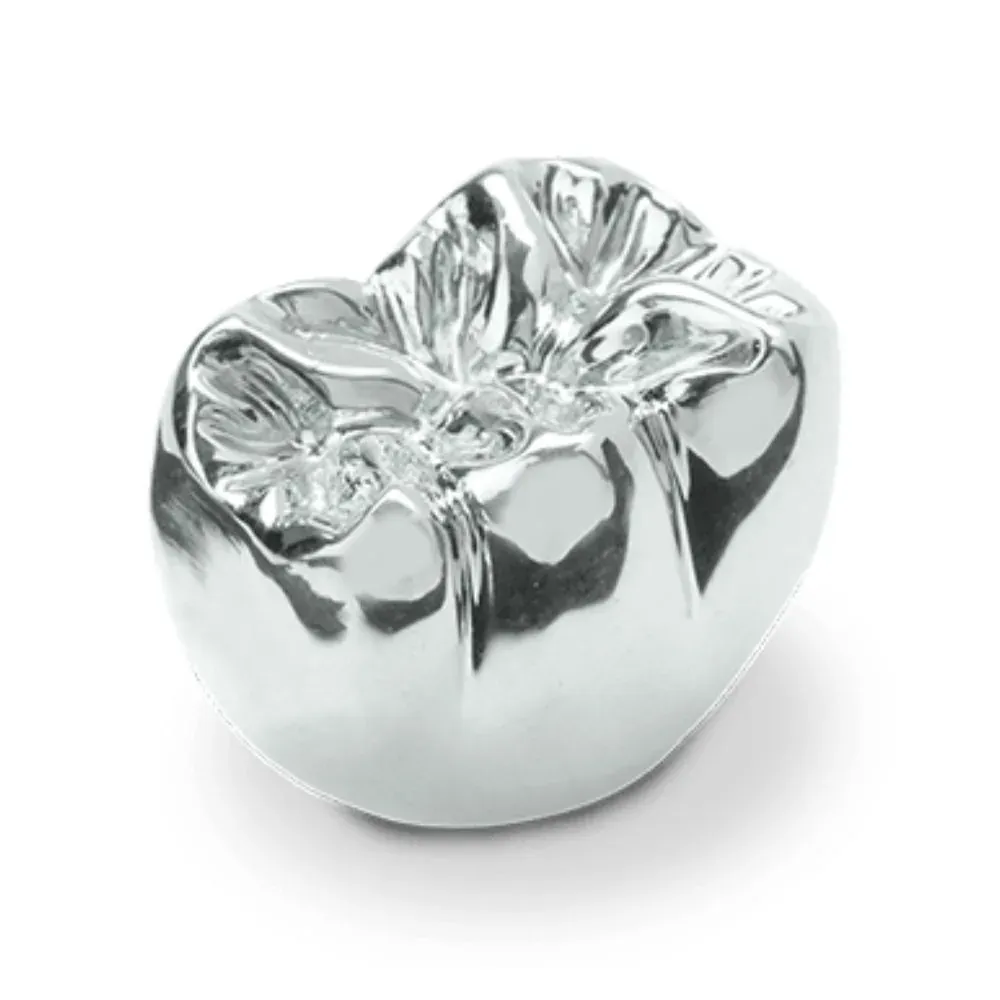
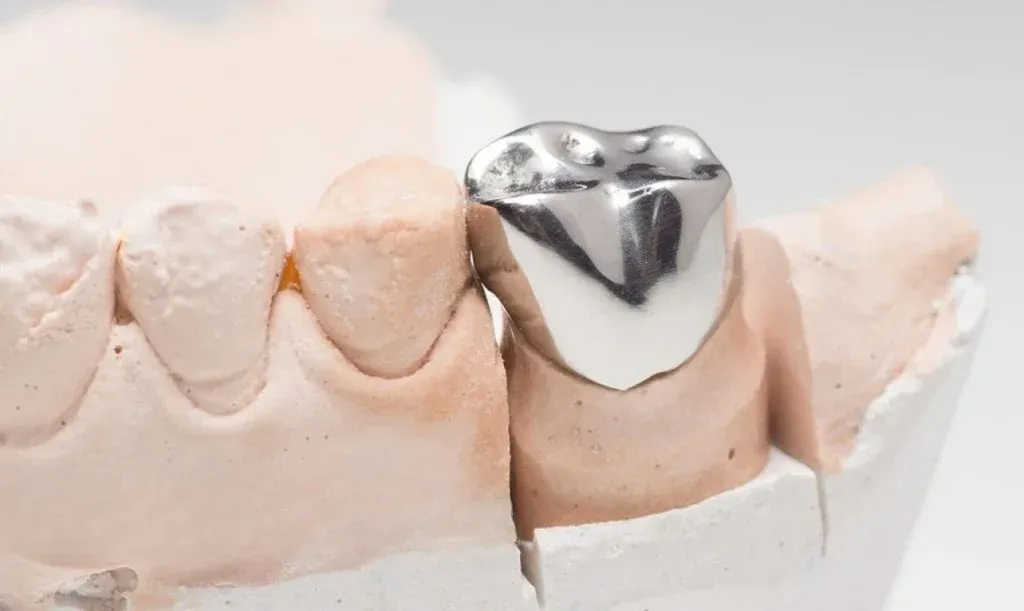
Cast base-metal crown polished on the master die
Non-Precious Metal Crowns You are here
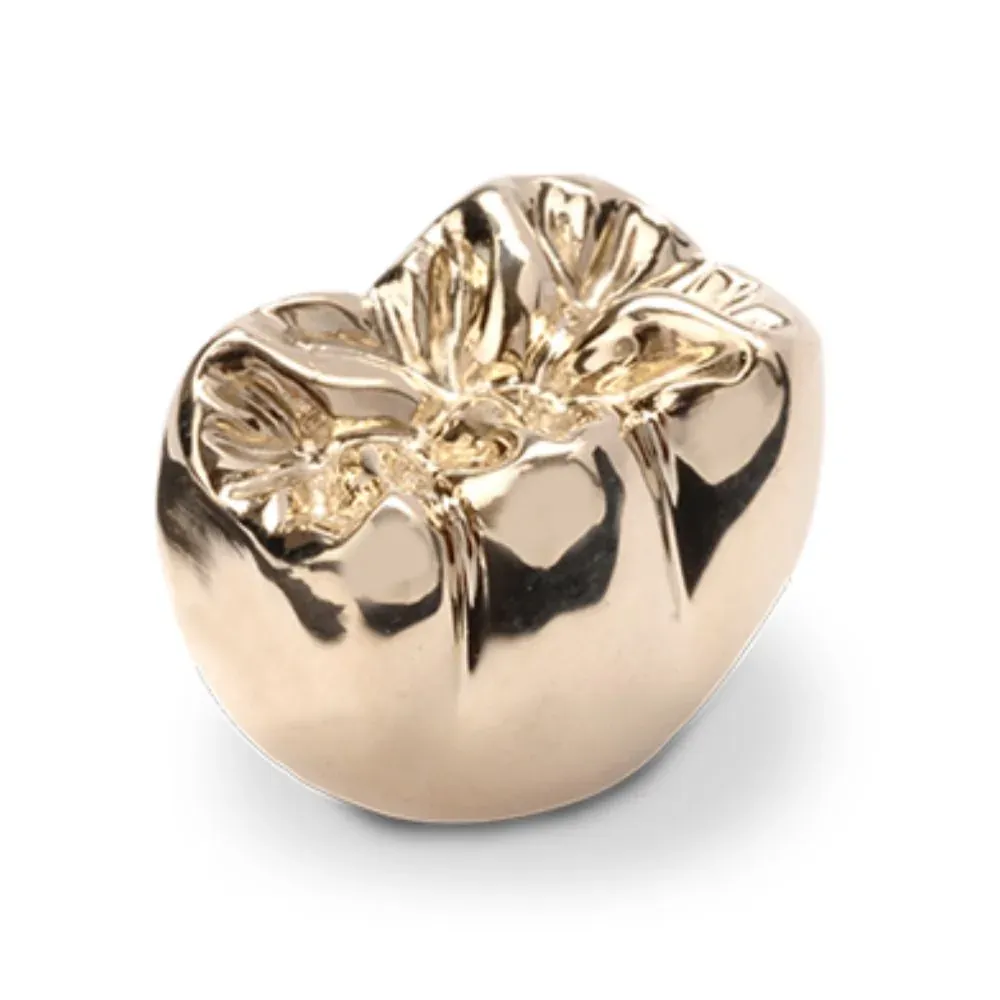
Full cast gold crown seated on the model
Full Cast Gold Crowns
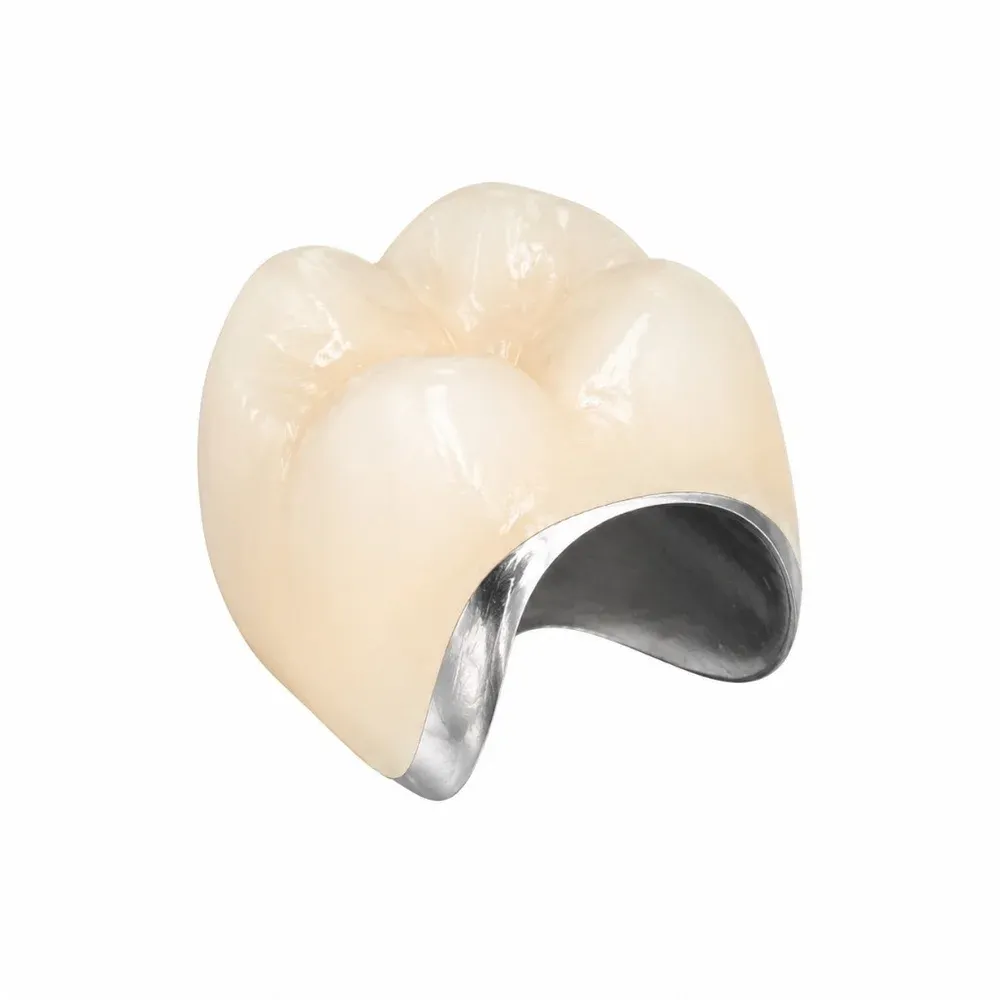
PFM crown, metal coping layered with porcelain
PFM Crowns
Material Base metal (CoCr / Ni-Cr) High-noble / noble alloy Metal coping + porcelain
Cost Most economical metal Higher, market-linked Mid-range
Best for Budget posterior full-metal units Longevity, gentle opposing wear Tooth-colored over a metal core

Alloy behavior and opposing wear vary with the specific base metal and the case. Confirm case-specific requirements, including nickel-free options, with the lab before you prep.

Material
Base-metal alloy (CoCr / Ni-Cr)
Occlusal reduction
0.5–1.0 mm
Margin design
Chamfer
Turnaround
Quoted per case at intake
Cast base-metal crowns polished on the master model

Overview

The Economical Full-Metal Option for Posterior Work

When a posterior tooth needs a durable full-metal crown and cost is a real constraint, a base-metal alloy does the job. Non-precious metal crowns give you strength and a close-fitting casting without the market-linked price of a precious alloy.

We cast from base-metal alloys by the same lost-wax process used for gold — rigid and hard, strong in thin section, and holding a defined margin well.

  • Cobalt-chromium: The default base metal — rigid, and available nickel-free for sensitive patients.

  • Nickel-chromium: A conventional base-metal alternative when the case allows it.
Learn more
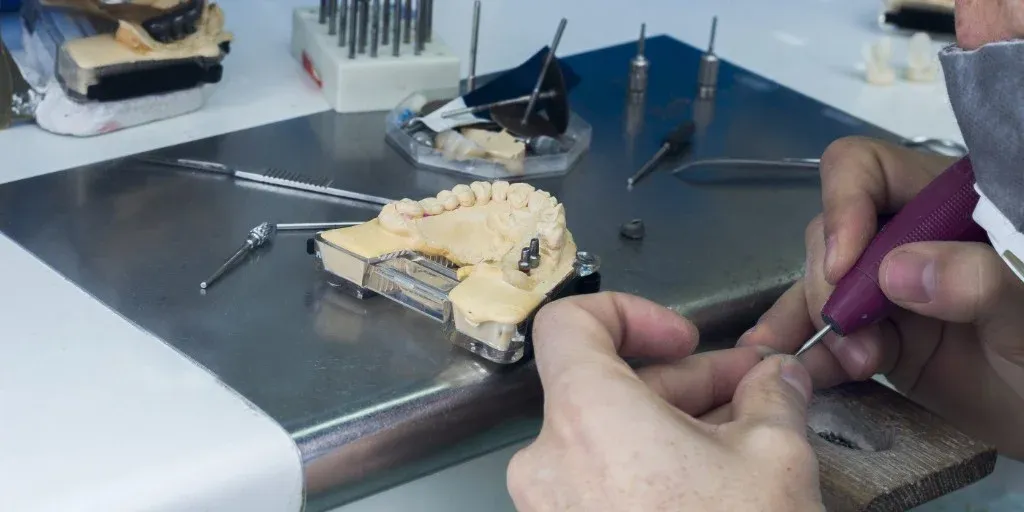
A technician fit-checking a cast base-metal crown on the die

At the Bench

Alloy Confirmed, Cast for Fit, Antagonist Checked

The alloy on the prescription — cobalt-chromium, nickel-chromium, or nickel-free CoCr — is confirmed before lost-wax casting. The crown is fit-checked on the die with the economical posterior workflow in mind, then occlusion and contacts are verified with extra attention to the antagonist because base metal is harder than gold.

  • Alloy on the RX: CoCr, Ni-Cr, or nickel-free CoCr is locked before invest — not assumed from a generic “base metal” note.

  • Cast fit QC: Margin and internal fit are verified on the die as part of the standard casting check before polish.

  • Antagonist attention: Contacts and occlusion are set against the opposing model with hardness in mind so natural enamel is not left to take the abuse.

Learn more

Before you select the alloy

Base metal is harder than gold, so it can be more abrasive to the opposing dentition — worth weighing against a natural antagonist. And for any patient with a known nickel sensitivity, we specify a nickel-free cobalt-chromium alloy or steer you to a noble alternative.

Case Selection

When Non-Precious Metal Is the Right Call

Indicated for

  • Non-esthetic posterior units where cost-efficiency is a priority
  • Cases needing a strong, rigid full-metal restoration on a budget
  • Second molars out of the smile line
  • Patients for whom a precious-alloy crown is not economically practical
  • Straightforward single units where function outweighs appearance

Consider an alternative when

  • The tooth is visible and esthetics drive the case — choose a tooth-colored material
  • The patient has a known nickel sensitivity — specify a nickel-free CoCr or move to a noble alloy
  • Gentle wear on the opposing dentition is a priority — cast gold is kinder than base metal
  • A metal-free restoration is preferred

Specifications

Non-Precious Metal Crown Specifications

Preparation, alloy, and cementation data for planning the case chairside.

Typical parameters for the base-metal crowns we cast.
Material Base-metal alloy — typically cobalt-chromium (CoCr) or nickel-chromium (Ni-Cr) — cast by lost-wax
Strength & rigidity High rigidity and hardness; a strong, economical full-metal restoration for posterior load
Occlusal reduction Conservative — roughly 0.5–1.0 mm; base metal performs in thin section like other cast alloys
Axial reduction 0.5–1.0 mm
Margin design Chamfer; base-metal alloys hold a defined margin well
Cementation Conventional cements (glass ionomer, resin-modified glass ionomer, or zinc phosphate)
Wear behavior Harder than gold, so it can be more abrasive to the opposing dentition — consider the antagonist when selecting
Biocompatibility note For patients with nickel sensitivity, specify a nickel-free cobalt-chromium alloy or select a noble alternative
Restoration types Full-metal single crowns, posterior
Turnaround Quoted per case at intake

Reduction and wear characteristics are typical guidance for cast base-metal alloys and vary with the specific alloy and case. Confirm case-specific requirements, including nickel-free options, with the lab before you prep.

Case Submission

Sending a Non-Precious Metal Case

We accept scans from all major intraoral systems, including iTero, 3Shape, and Medit — or a conventional impression, which suits a full-metal case well.

Include with the case:

  • STL or impression of the prepped arch and the opposing arch
  • Bite registration
  • A note on the opposing dentition for the occlusal design
  • Any patient nickel sensitivity, so we specify a nickel-free alloy
  • The prescription indicating a base-metal restoration

Flagging a nickel sensitivity up front is the one detail that most affects alloy selection — tell us before we cast. New to the lab? Open an account and we will walk you through the first case.

Start a case

Send one case. Keep the scanner.

Open a partner account and your first case moves with a shade record and our remake guarantee — if a unit does not seat, we redo it at no charge.

  • Free 3Shape TRIOS 6 scanner for active partners
  • Under-2% remake rate — remakes at no charge
  • One named technician you reach directly — no call center

Prefer to talk? +1 747-268-0808

No call center — you hear back from the lab, not a bot.

Non-Precious Metal FAQ

Non-Precious Metal Crowns — Questions Dentists Ask

When cost leads and the opposing dentition can tolerate a harder antagonist. Base metal is rigid, holds a margin well, and is one of the more economical crown options. Gold is gentler on opposing enamel and burnishes at the margin — so on a heavily loaded second molar against natural teeth, gold often still earns its keep.

Full cast gold crowns

Flag it on the prescription before we cast. Many base-metal alloys contain nickel; we can specify a nickel-free alloy when that is a concern. Do not discover the allergy after the crown is in the mouth.

An unclear margin or a bad bite — not the alloy. We fit-check the casting on the model and verify occlusion before it ships. Because base metal is harder than gold, we pay particular attention to contacts against a natural or ceramic antagonist.

Either. We design from your STL, mill or print a castable pattern, and cast in the base-metal alloy — the same digital-analog path we use for other cast work. iTero, 3Shape, and Medit all work; a conventional impression is fine too.

How to send a file

Usually no — it is full metal. Send the prepped and opposing arches, bite, and note any opposing wear concern or nickel sensitivity. A clear margin in the record keeps the casting fitting the first time.

Switching labs, de-risked

New to us? If a unit does not seat, we remake it at our cost when it is a lab error. Flag a nickel concern before we cast and the alloy is right the first time. See what the remake policy covers.

Partner Offer

A Free Intraoral Scanner for Partner Practices

Partner with Universal Dental Lab and we place a 3Shape TRIOS 6 Wireless in your operatory — free for the length of our partnership. Scan the prep, send it in seconds, and skip impressions entirely.