
Dental Lab for General Dentists
Crown and bridge, removable, and occlusal appliances for the everyday flow of a general practice — sent as a scan or an impression, returned ready to seat.
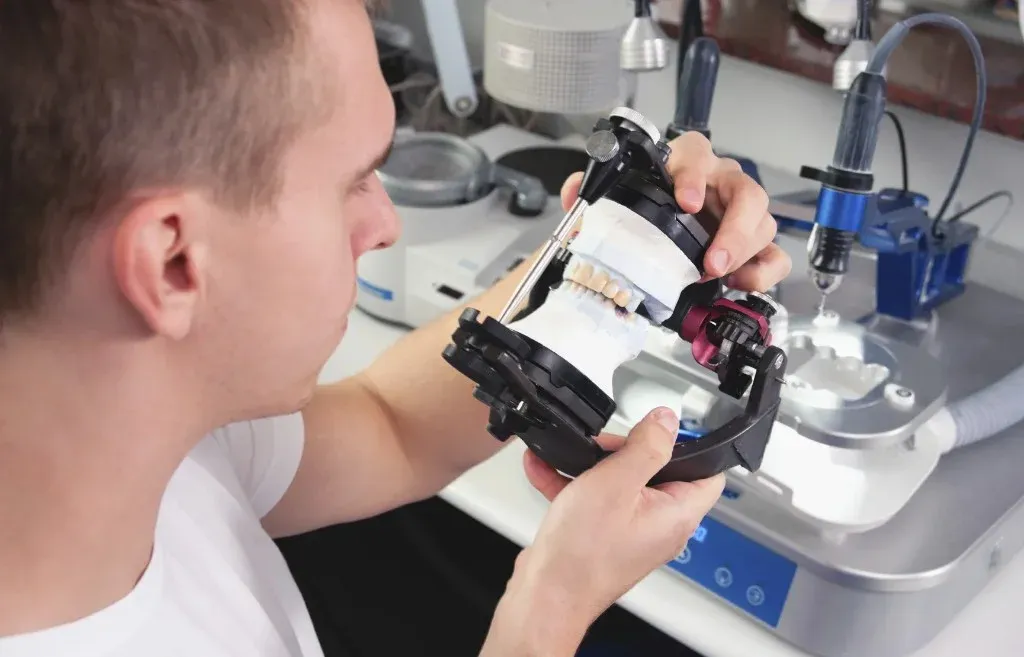
Why practices move
Built around how a general practice actually runs
A GP schedule has no slack in it. A crown that needs a long chairside adjustment, or a case that surfaces late on the morning the patient is booked, costs far more than the restoration is worth. Those are the failures our workflow is built to prevent.
-
The crown comes back needing twenty minutes of chairside adjustment.
Every unit is checked on the model — margins, proximal contacts, and the opposing — before it ships. When something in the records will not produce a seatable restoration, we call you before we mill it, not after the patient is numb. Our QA and remake policy
-
Nobody at the lab picks up when you call about a live case.
You deal with the technician who is actually holding your case, not a call-center queue. Ask what stage a unit is at and the answer comes from the person making it.
-
The shade is off, and the patient is already in the chair.
We keep a shade record for your practice, so the second case starts from what worked on the first. Anterior units and anything with a difficult stump shade go through custom shade matching against your photos. How we match shade
-
You learn a case is late on the morning it was due.
Turnaround is quoted per case when the case is booked in, not implied by a number on a website. If anything slips, you hear it from us before your front desk has to call the patient.
-
Going fully digital looks like a project you have no time for.
Send an intraoral scan or a conventional impression — we take both, and neither is treated as second class. Partner practices can receive a 3Shape TRIOS 6 for the length of the partnership, and we set up the export so the first scan arrives usable. Digital submission protocols
-
One lab for crowns, another for dentures, a third for guards.
Everything a general practice prescribes is made in one lab, on one account: crown and bridge, removable, occlusal appliances, retention, and the repairs and relines in between.
Case mix
What general practices send us
The everyday prescriptions of a GP schedule, and the occasional case that asks for more. Choose a category for materials, indications, and how to submit.
-
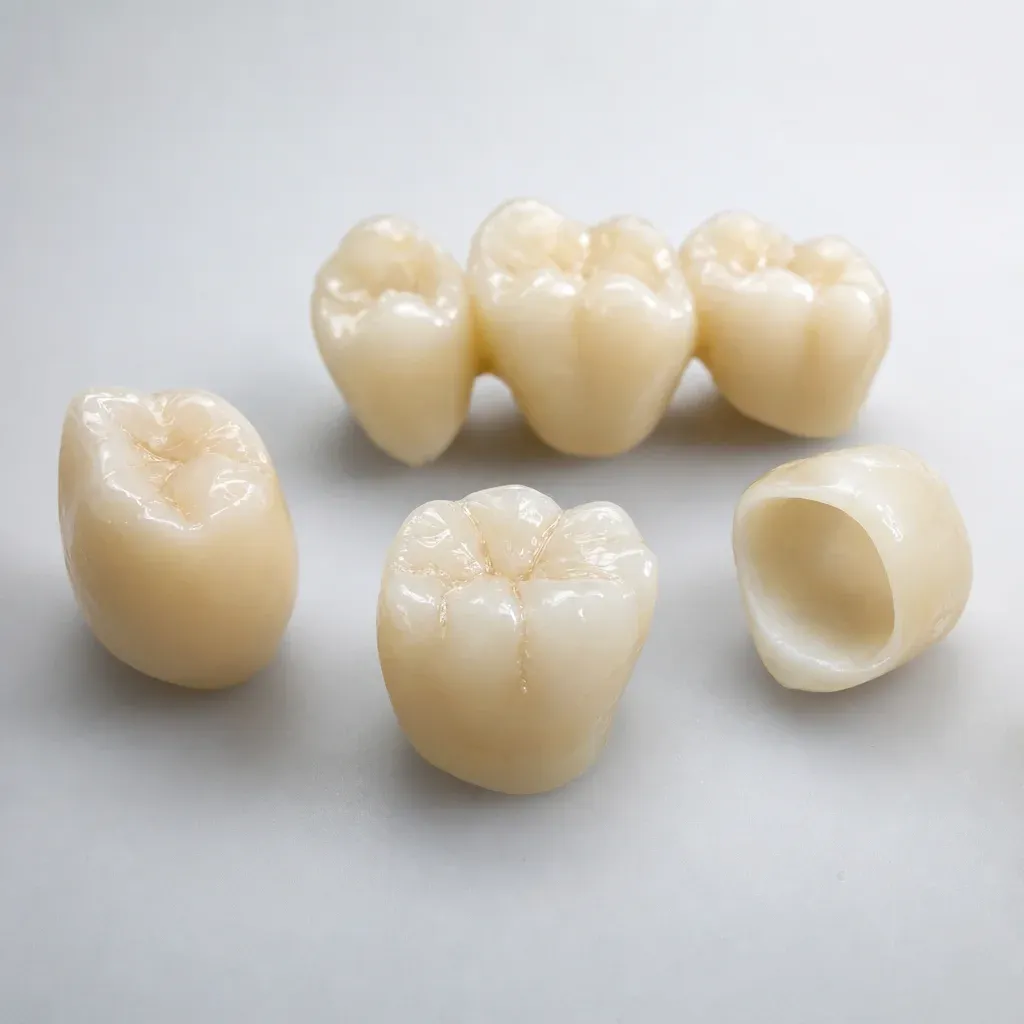
Crowns and Bridges
Single units through multi-unit bridges in zirconia, IPS e.max, PFM, PFZ, and cast metal — the daily volume of most general practices.
-
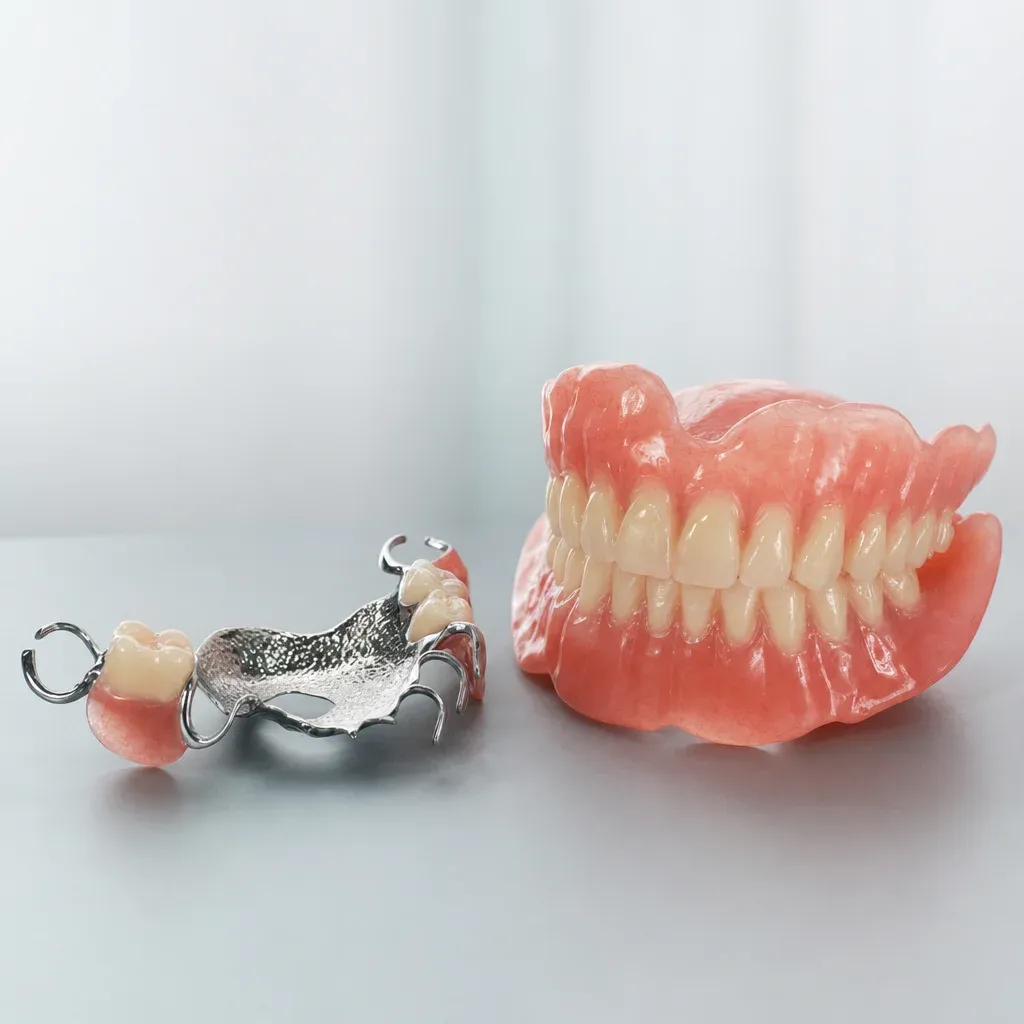
Partials and Dentures
Cast and flexible partial frameworks, immediate and digital complete dentures, and the relines and repairs that keep them in service.
-
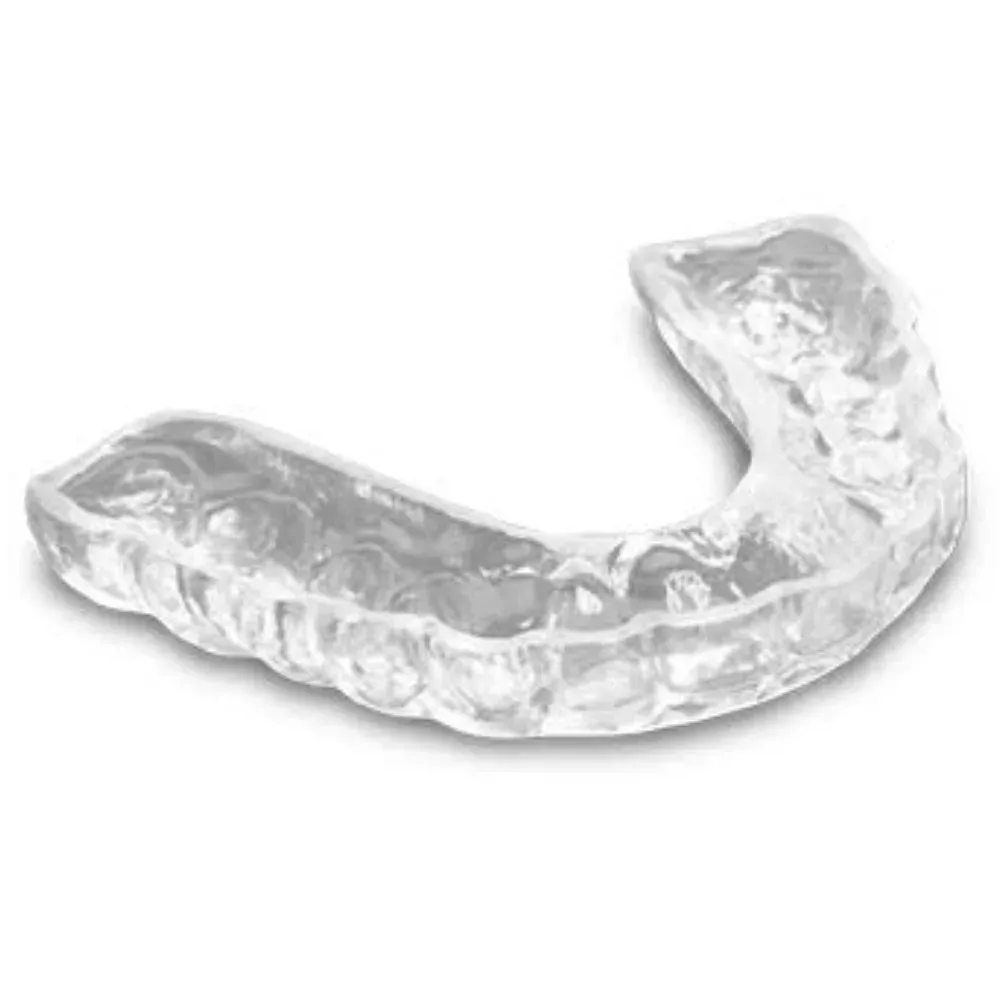
Nightguards and Splints
Hard, soft, and dual-laminate occlusal appliances trimmed to seat without rocking — the appliance a bruxer will actually keep wearing.
-
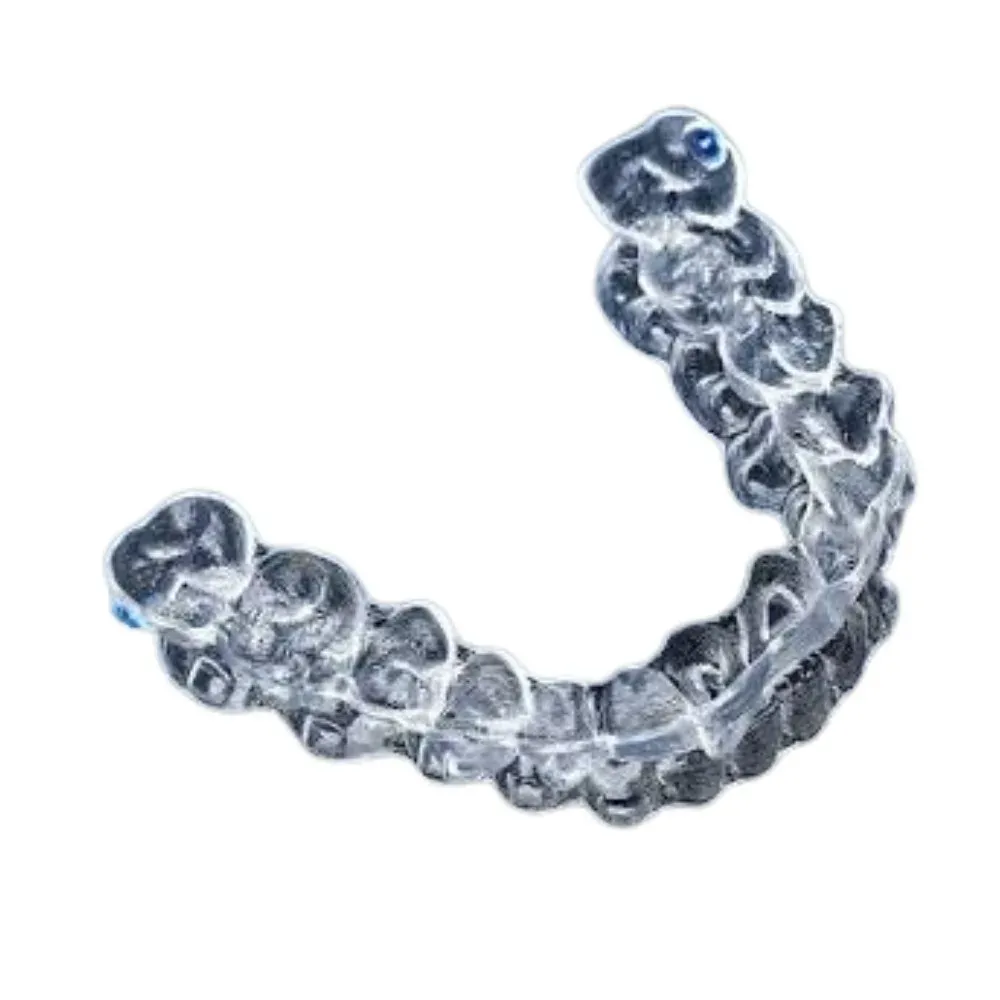
Orthodontic Retention
Essix, clear, and Hawley retention built on the finished arch form, plus staged aligners for minor movement and relapse.
-
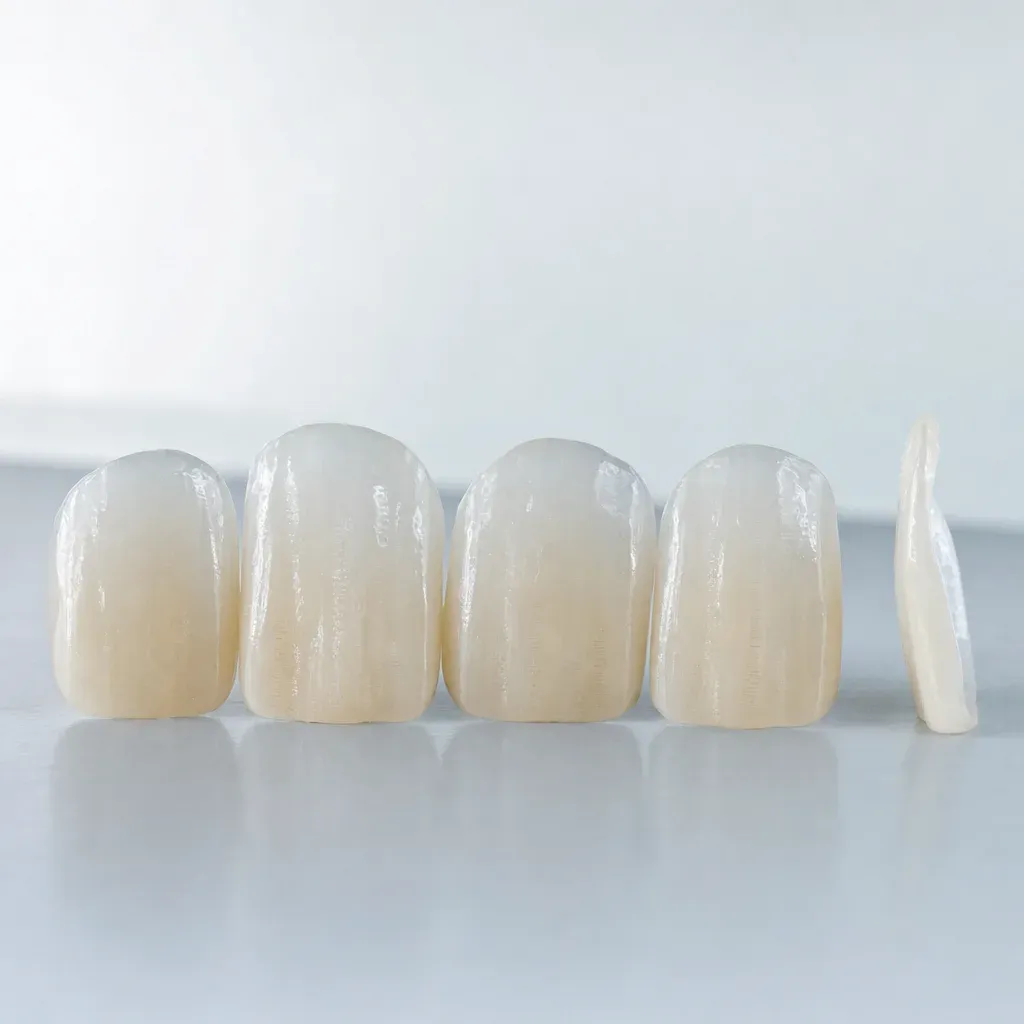
Veneers and Anterior Work
The anterior cases a GP schedule produces a few times a month, handled by the technicians who do them every day.
-
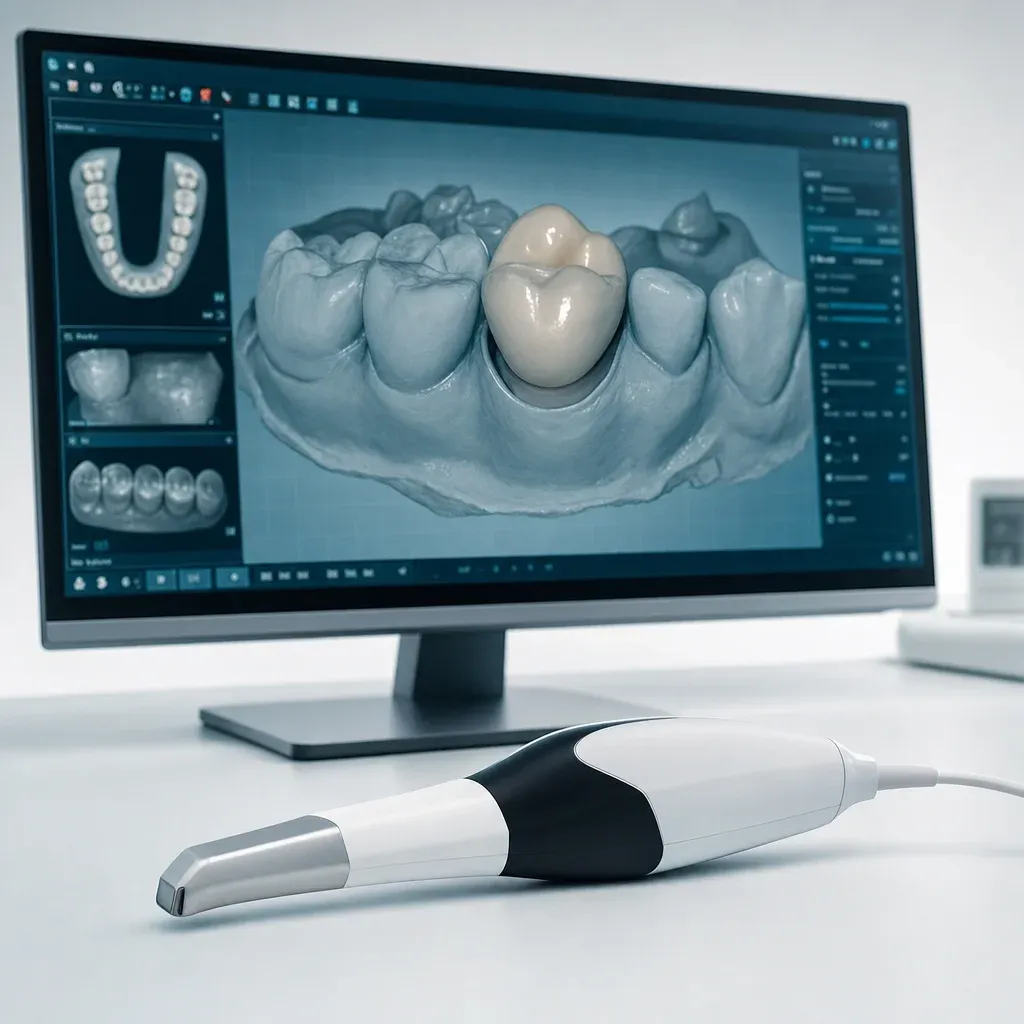
Digital Dentistry
STL files straight into the CAD/CAM workflow — scan processing, digital wax-ups, and a design you approve before anything is milled.
Move your lab work across without gambling a month of chair time on it
-
Start with a single unit
You do not have to move your volume to find out whether we fit your practice. Send one crown, judge the margin, the contacts, and the shade in the mouth, then decide what comes next.
-
Your preferences travel with the account
From the first case we record the shades that worked, the contact and occlusal tightness you like, and the material you default to. Case two starts from that record instead of from zero.
-
A remake policy you can read first
What we remake, what we adjust, and what we need back from you is written down before you send anything — not negotiated after a case fails to seat.
General practice FAQ
What General Dentists Ask Before They Switch
Both. Send an intraoral scan as an STL file, or ship a PVS impression and a bite — neither is treated as second class. Most general practices we work with run a mix, digital for crown and bridge and conventional for removable, and that is entirely workable.
We accept STL files from all major systems, including iTero, 3Shape, and Medit, straight into our CAD/CAM workflow. Partner practices can also receive a free 3Shape TRIOS 6 scanner for the length of the partnership, so moving to a digital workflow costs nothing to start.
Digital ProtocolsFill in the account form on this page. We come back with your account details, arrange shipping or local pickup depending on where you are, and walk the first case through with you so nothing is lost in the handover.
New DoctorYes — turnaround is quoted per case at intake rather than promised as a blanket number, because a monolithic posterior crown and a layered anterior unit are not the same job. Tell us the seat date when you send the case and we confirm what is achievable before we start.
Send it back with the reason and, where possible, the model or a fresh scan. Our remake and adjustment terms are published rather than decided case by case, so you know before you prescribe what is covered and what we need from you to get it right the second time.
Remakes and ReliabilityWe are based in Burbank and serve practices across California, and we ship finished cases nationwide. With digital submission, distance rarely limits anything — the scan arrives instantly and the case ships back on schedule.
Open an account
Open a lab account
Tell us how your practice works and we will set the account up, arrange shipping or pickup, and walk your first case through with you.
-
One case to start
Send a single unit before you move any volume across.
-
A technician, not a queue
You get the name and the number of the person making your work.
-
Scan or impression
Both workflows are supported from day one, and we set up the export if scanning is new to you.