
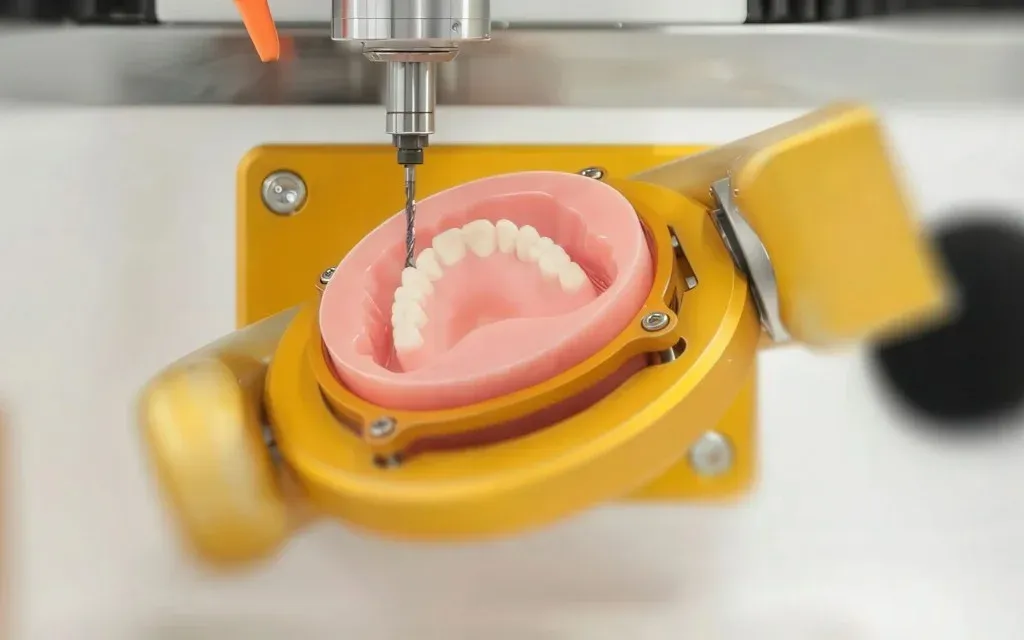
Digital Dentures

Designed in CAD, milled or printed, and archived as a file — fewer appointments for the dental practice, and a denture that can be reproduced exactly if it is ever lost.

The strongest argument for a digital denture is not speed — it is that the case exists as a file. Reprint a lost denture instead of starting the whole sequence over, and keep the workflow you already scan in.

Jahn De Khudikine, Founder · Universal Dental Lab
Jahn De Khudikine Founder · Universal Dental Lab

Why send it here

Lose the file and you lose the denture. We archive the design so a reline isn't a restart.

A practice's schedule lives or dies by the lab — I've watched one late case push back a whole day of chair time.

So I still know the cases moving through this lab, and I answer for how each one is made. Send a case here and it doesn't drop into a queue — it lands with me and one technician who carries it start to finish.

Start a case
Archived design
The case exists as a file — a lost denture is reprinted, not remade Ridge adaptation and tooth position stored, not living only in models
Milled or printed
Designed in CAD against your scans, reviewed before production A printed try-in can confirm esthetics before the definitive
Your technician
One person holds your case Reach them directly — no call-center queue
Free scanner
3Shape TRIOS 6 for partners Go fully digital at no cost

Workflow Comparison

Digital, Traditional, or Lucitone?

How the denture is made, and whether the design survives the case. Pick the route the case needs — we work all three.

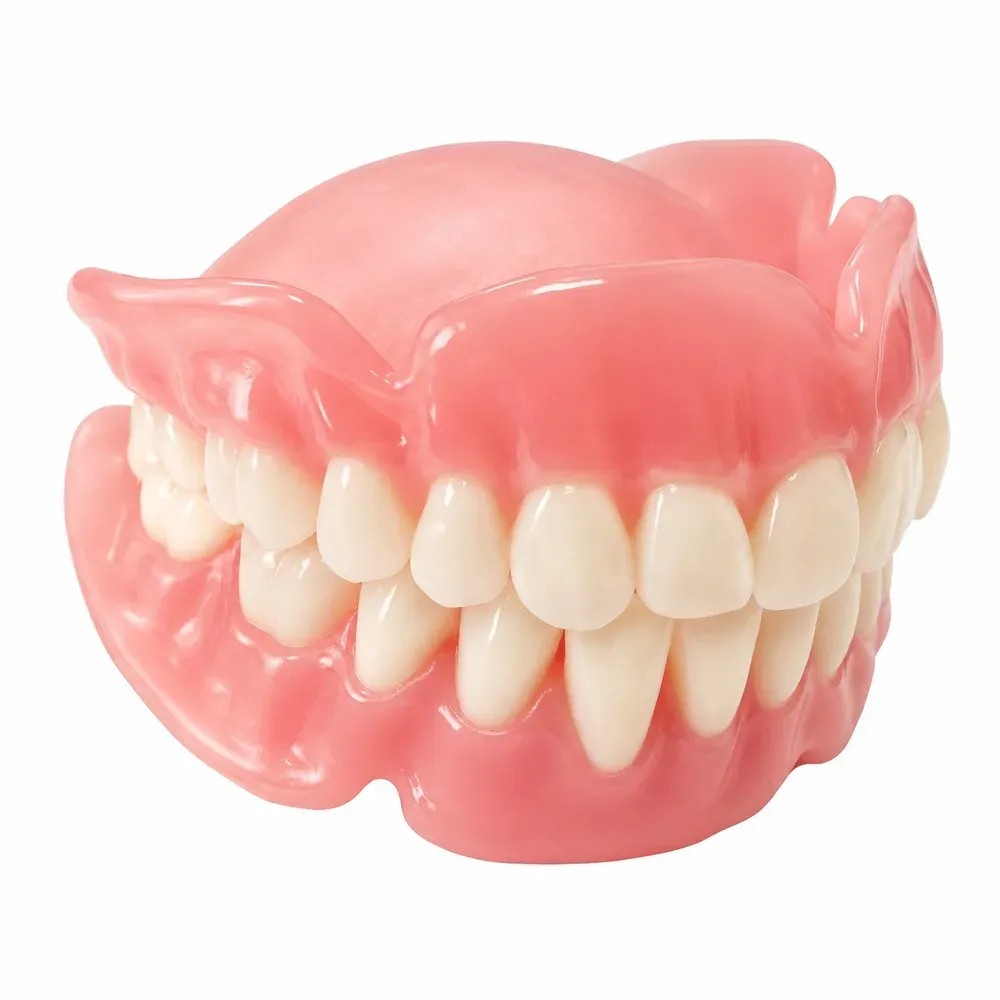
CAD-designed complete denture on the articulated model
Digital Dentures You are here
Conventionally processed complete denture on the master cast
Traditional Dentures
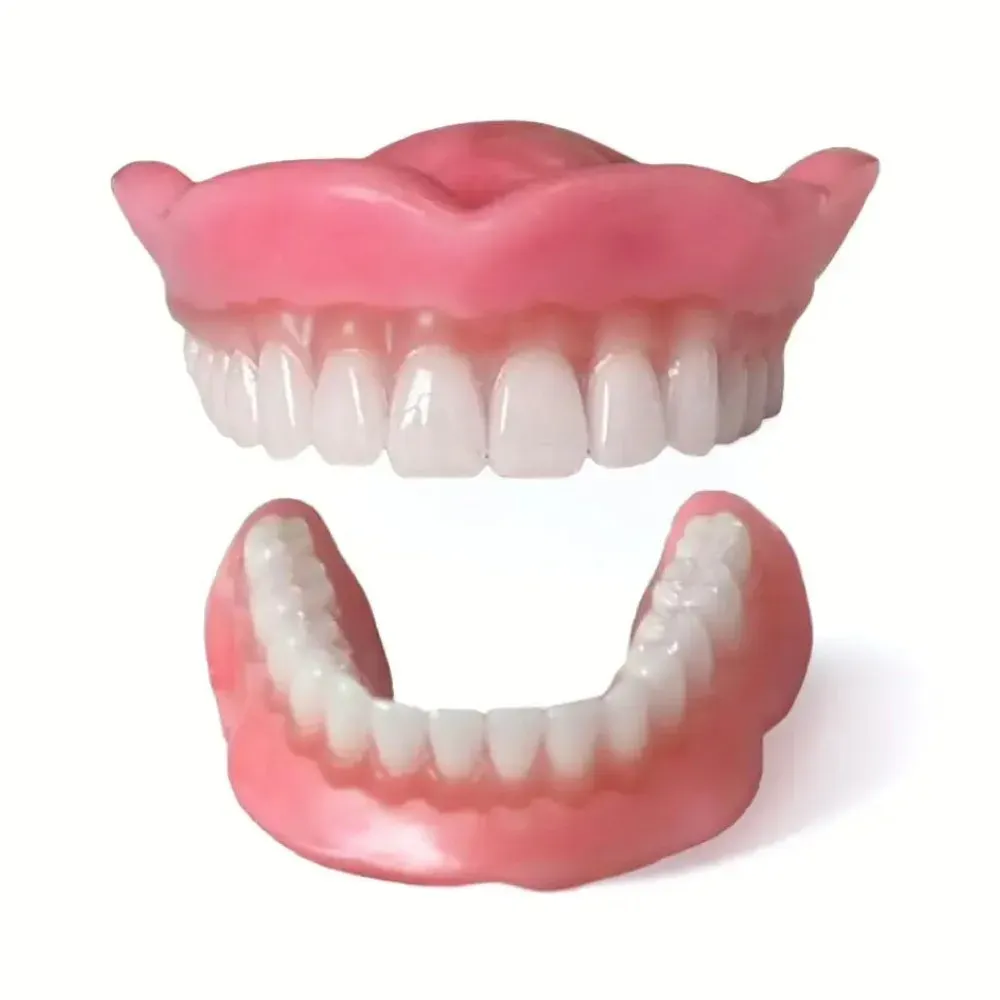
Printed Lucitone denture base fresh off the printer
Lucitone Digital
Fabrication CAD/CAM milled or printed Conventionally processed Printed, Lucitone system
Reproducible? Best choice archived design, reproduced from the file Limited remade from a fresh set of records Best choice archived design
Best for Fewer appointments, reproducible cases Staged wax try-in confirmation A premium printed denture-base system

Digital denture materials and workflows vary by system and by whether the base is milled or printed. Confirm the workflow, try-in stage, and material with the lab before you start the case.

Fabrication
CAD/CAM milled or printed
Base material
Milled PMMA or printed resin
Support
Tissue-borne
Turnaround
Quoted per case at intake
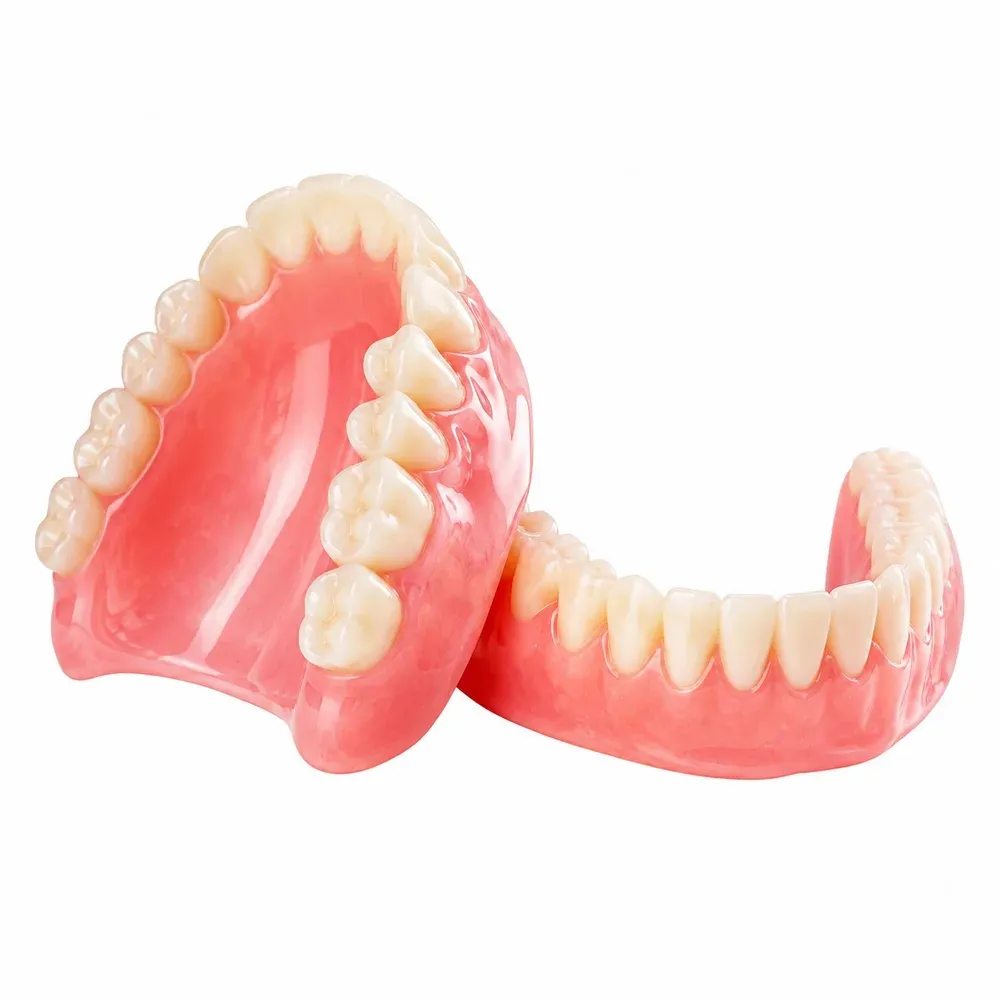
A milled PMMA denture base fresh from the puck

Overview

The Denture That Can Be Made Twice

The strongest argument for a digital denture is not speed. It is that the case exists as a file — so when a patient drops their denture down the disposal, you reprint it instead of starting the whole sequence over.

We design in CAD and produce by milling from a PMMA puck or printing in a denture-base resin. A milled base comes from industrially polymerized material — dense and dimensionally stable — and the entire design, from ridge adaptation to tooth position, is stored rather than living only in a set of models.

  • Milled: From a PMMA puck — dense, industrially polymerized, dimensionally stable.

  • Printed: From a denture-base resin, keeping the case fully digital when the situation suits it.
Learn more
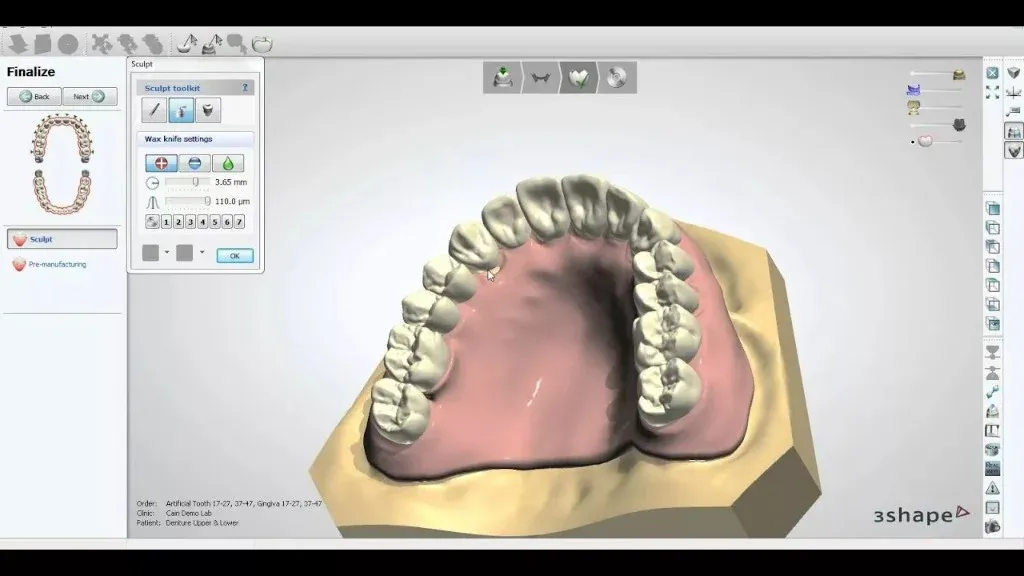
A CAD screen showing the denture designed against the scanned ridge

At the Bench

Designed in CAD, Archived for Next Time

The denture is designed against your scans and records, reviewed in CAD, and produced by milling or printing. A printed try-in can be delivered first for confirmation — and once approved, the definitive comes from the same design, which stays on file.

  • Design reviewed in CAD: Ridge adaptation and tooth position checked before anything is produced.

  • Optional printed try-in: Delivered for esthetic and functional confirmation before the definitive.

  • Design archived: A replacement becomes a reprint, not a remake from a fresh set of records.

Learn more

Be honest about what it does not change

A digital denture is still tissue-borne. If the complaint is a lower denture that will not stay put on a resorbed ridge, a new manufacturing method will not fix that — implants will. And the records still have to be right.

Case Selection

When a Digital Denture Is the Right Call

Indicated for

  • Complete dentures where a reduced-appointment workflow suits the practice and the patient
  • Patients likely to need a replacement — the design is archived and can be reproduced from the file
  • Cases benefiting from a milled base, with the density and dimensional stability that comes from a puck
  • Digital practices already scanning, who want the denture to stay in the same workflow
  • Patients who travel or would struggle with a long appointment sequence

Consider an alternative when

  • The case is esthetically demanding and you want a full conventional wax try-in sequence to work through
  • Records cannot be captured reliably in digital form on a flat, resorbed, or highly mobile ridge
  • The real problem is retention on a resorbed lower ridge — implants, not a workflow, are the answer
  • Teeth are being extracted at delivery and an immediate denture sequence is required

Specifications

Digital Denture Specifications

Fabrication, materials, and record data for planning the case.

Typical parameters for the milled and printed complete dentures we produce.
Fabrication CAD/CAM — the denture is designed digitally, then milled from a puck or 3D printed depending on the case and material
Base material Milled PMMA puck or printed denture-base resin; milled bases are dense, industrially polymerized, and dimensionally stable
Denture teeth Milled, printed, or prefabricated teeth bonded to the base, depending on the chosen workflow
Appointments Typically fewer than a conventional sequence; a digital try-in can be printed for confirmation before the definitive is produced
Reproducibility The defining advantage — the design is stored, so a lost or broken denture can be reproduced from the file rather than remade from scratch
Records Intraoral scans or scanned conventional impressions, jaw relation records, VDO and centric, and tooth mold and shade
Try-in A printed try-in denture can be delivered for esthetic and functional confirmation, then the definitive is produced from the approved design
Support Tissue-borne, like a conventional complete denture — the workflow changes, the biomechanics do not
Restoration types Complete maxillary and mandibular dentures
Turnaround Quoted per case at intake

Digital denture materials and workflows vary by system and by whether the base is milled or printed. Confirm the workflow, try-in stage, and material with the lab before you start the case.

Case Submission

Sending a Digital Denture Case

We accept scans from all major intraoral systems, including iTero, 3Shape, and Medit — and we can digitize conventional impressions if you are not scanning edentulous arches yet.

Include with the case:

  • Intraoral scans of both arches, or impressions we can digitize
  • Jaw relation records — vertical dimension and centric relation
  • Tooth mold and shade selection
  • Whether you want a printed try-in before the definitive
  • Facial photos where esthetics or lip support matter

A flat or highly mobile ridge is the hardest thing to capture digitally — if the scan will not hold up, we will tell you before designing. New to the lab? Open an account and we will walk you through the first case.

Start a case

Send one case. Keep the scanner.

Open a partner account and your first case moves with a shade record and our remake guarantee — if a unit does not seat, we redo it at no charge.

  • Free 3Shape TRIOS 6 scanner for active partners
  • Under-2% remake rate — remakes at no charge
  • One named technician you reach directly — no call center

Prefer to talk? +1 747-268-0808

No call center — you hear back from the lab, not a bot.

Digital Denture FAQ

Digital Dentures — Questions Dentists Ask

Two things. The design is reviewed in CAD — and a printed try-in can confirm esthetics and function — before the definitive is made. And the design is archived, so if a patient loses or breaks the denture, it is reproduced from the file rather than remade from a fresh set of records. That turns a remake into a reprint.

No. A CAD/CAM denture built on a bad bite is simply a precisely made bad denture. Send scans of both arches — or impressions we can digitize — with jaw relation records establishing VDO and centric, plus tooth mold and shade. Tell us whether you want a printed try-in before the definitive.

A milled digital denture is cut from an industrially polymerized PMMA puck. A printed route (including Lucitone Digital Print) uses a validated print resin system with its own base shades. Neither is universally better; we recommend against the case and your preference rather than pushing a single route.

Lucitone digital dentures

A demanding esthetic case may still need the full conventional try-in sequence. A resorbed lower ridge needs implants rather than a different manufacturing method. Send the case details and we will advise honestly rather than defaulting to digital.

A digital denture typically compresses the sequence relative to conventional, and whether you include a printed try-in affects the schedule. Milled and printed workflows also differ in production time. Complete, clean records avoid a clarification round either way.

Switching labs, de-risked

New to us? If a denture does not seat, we work with you to make it right. And because the design is archived, the next case for that patient starts from what worked on the first.

Partner Offer

A Free Intraoral Scanner for Partner Practices

Partner with Universal Dental Lab and we place a 3Shape TRIOS 6 Wireless in your operatory — free for the length of our partnership. Scan the prep, send it in seconds, and skip impressions entirely.