

PFZ Crowns

A milled zirconia coping under layered porcelain — the esthetics of a layered restoration with a strong, metal-free core and no gray margin to manage.

PFZ takes the layered-ceramic look dentists valued in PFM and puts it over a zirconia core instead of a metal one — keeping the depth, losing the metal margin.

Jahn De Khudikine, Founder · Universal Dental Lab
Jahn De Khudikine Founder · Universal Dental Lab

Why send it here

PFZ has to read like a tooth under clinic light. We layer it to the shade you send.

A practice's schedule lives or dies by the lab — I've watched one late case push back a whole day of chair time.

So I still know the cases moving through this lab, and I answer for how each one is made. Send a case here and it doesn't drop into a queue — it lands with me and one technician who carries it start to finish.

Start a case
Metal-free core
A light-friendly zirconia coping — no gray margin to manage at the cervical PFM esthetics without the metal collar
Layered by a ceramist
Feldspathic porcelain fired over the core for depth, shade-matched to your photos Coping fit verified on the die before layering
Your technician
One person holds your case Reach them directly — no call-center queue
Free scanner
3Shape TRIOS 6 for partners Go fully digital at no cost

Material Comparison

PFZ, PFM, or Monolithic Zirconia?

Layered esthetics versus a metal core versus maximum strength. We make all three — the chip risk and the metal margin usually decide it.

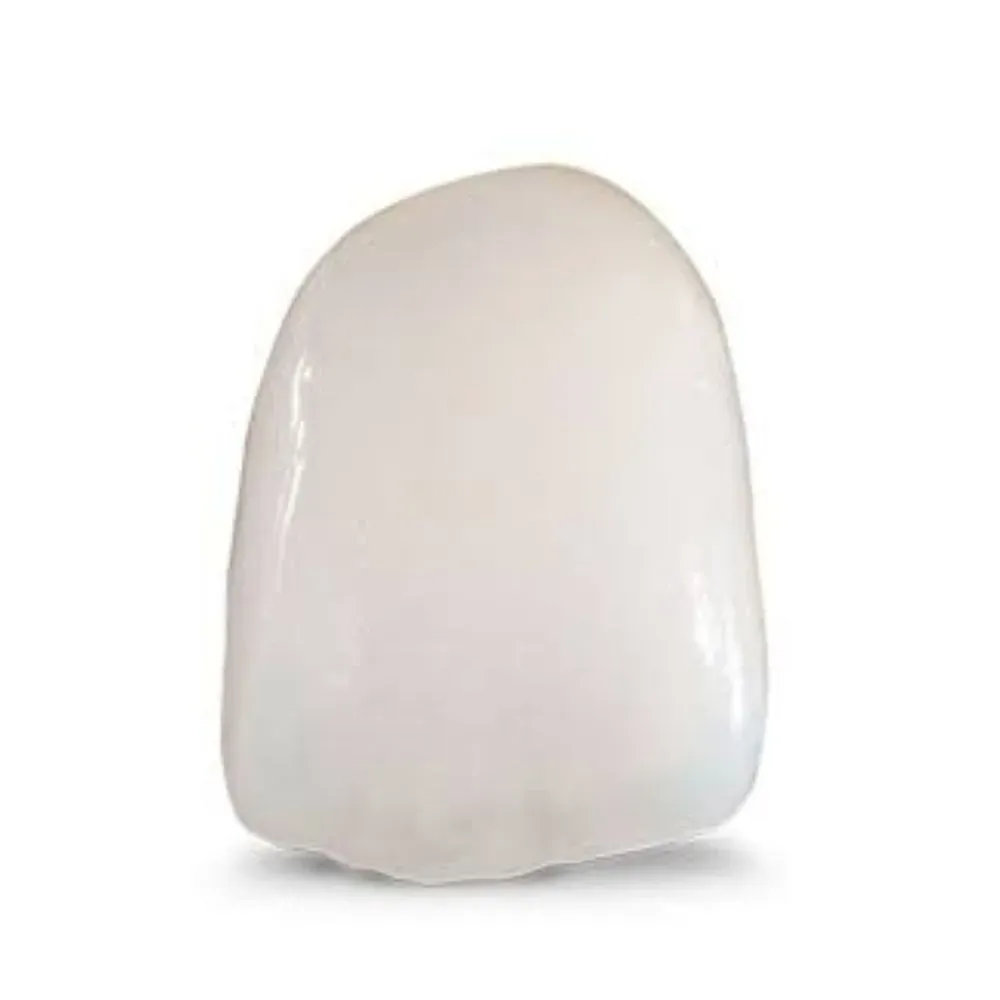
PFZ crown, zirconia core layered with porcelain
PFZ Crowns You are here
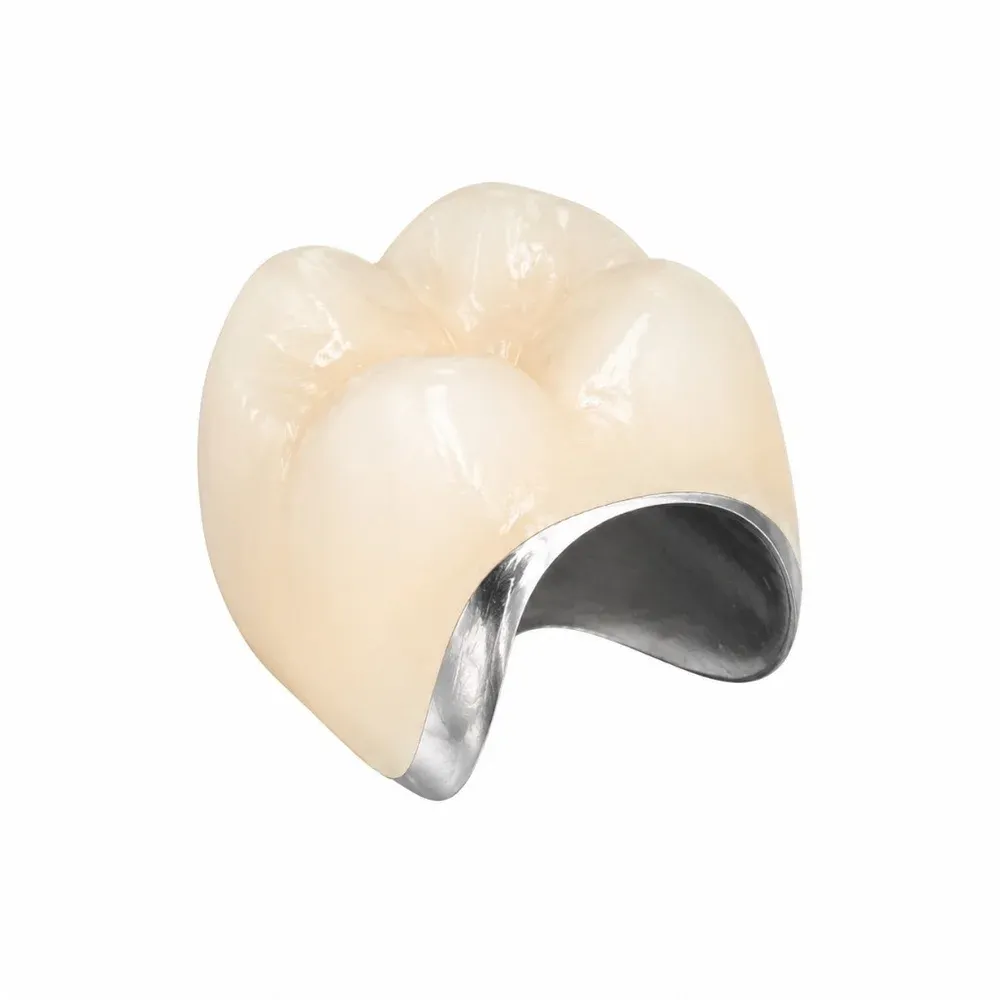
PFM crown, porcelain layered over a cast metal coping
PFM Crowns
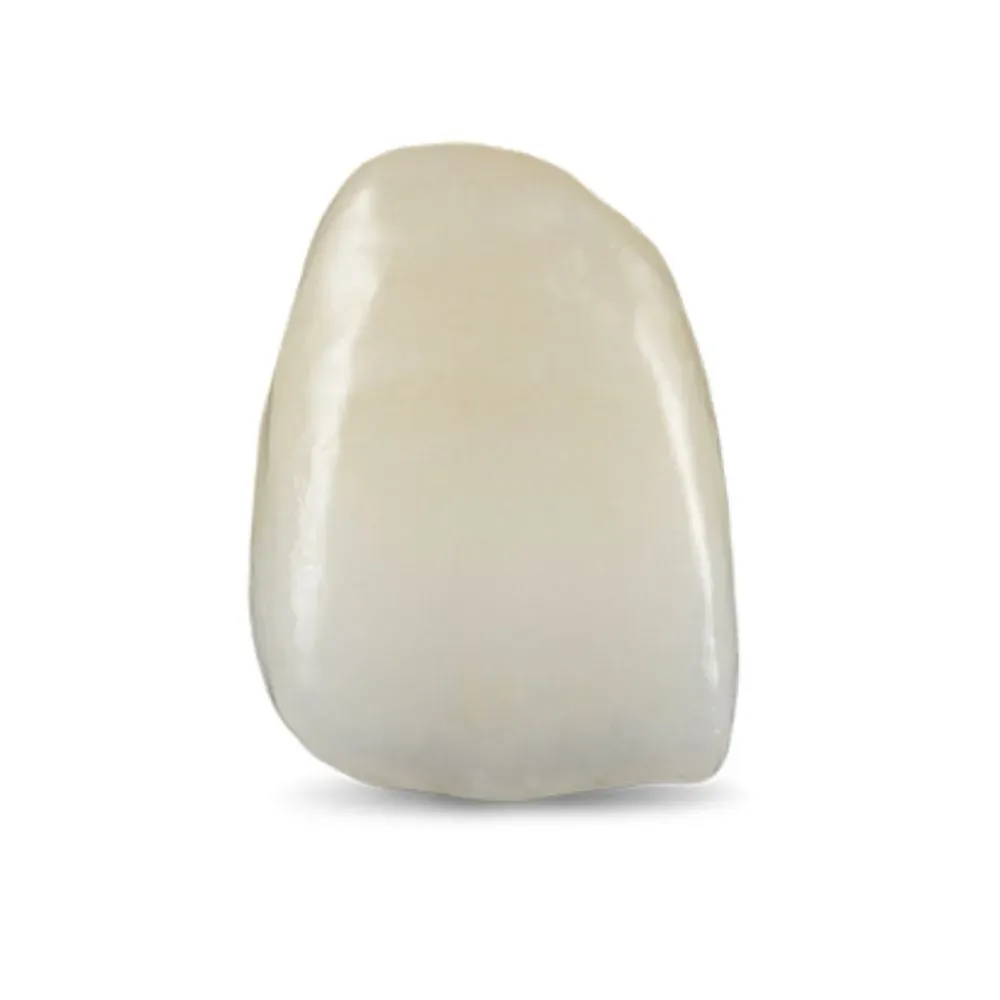
Monolithic zirconia crown on the master model
Zirconia Crowns
Structure Zirconia coping + porcelain Metal coping + porcelain Monolithic zirconia
Esthetics Very good layered depth, no metal margin Good metal margin risk Good to excellent
Best for Metal-free esthetics with a strong core Proven durability, cast frameworks Bruxism, load, no chip risk

Esthetics and durability vary with core design, porcelain thickness, and the occlusal scheme. Confirm case-specific requirements with the lab before you prep.

Substructure
Milled zirconia coping
Veneering
Feldspathic porcelain
Occlusal reduction
1.5–2.0 mm
Turnaround
Quoted per case at intake
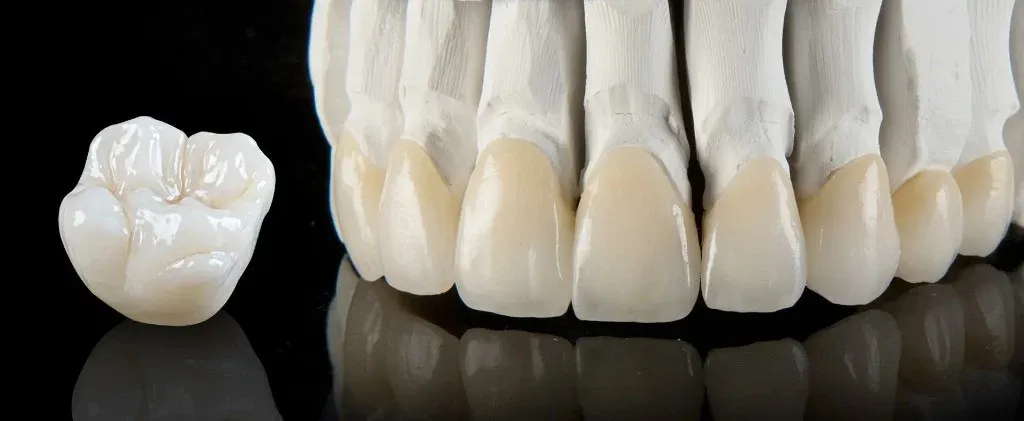
PFZ crowns, zirconia cores layered with porcelain, on the master model

Overview

PFM Esthetics, Without the Metal

Porcelain fused to zirconia takes the layered-ceramic look dentists valued in PFM and puts it over a zirconia core instead of a metal one — keeping the depth, losing the metal margin.

A PFZ crown is a zirconia coping, milled and sintered to full density, then veneered with feldspathic porcelain for internal characterization and translucency. The core does the structural work; the layered porcelain does the esthetics a fully monolithic crown cannot quite reach in the smile line.

  • Zirconia core: Milled and sintered to full density — the structural work, and a light-friendly, metal-free coping.

  • Layered porcelain: Feldspathic ceramic fired over the core for internal characterization the cervical reads better than PFM.
Learn more
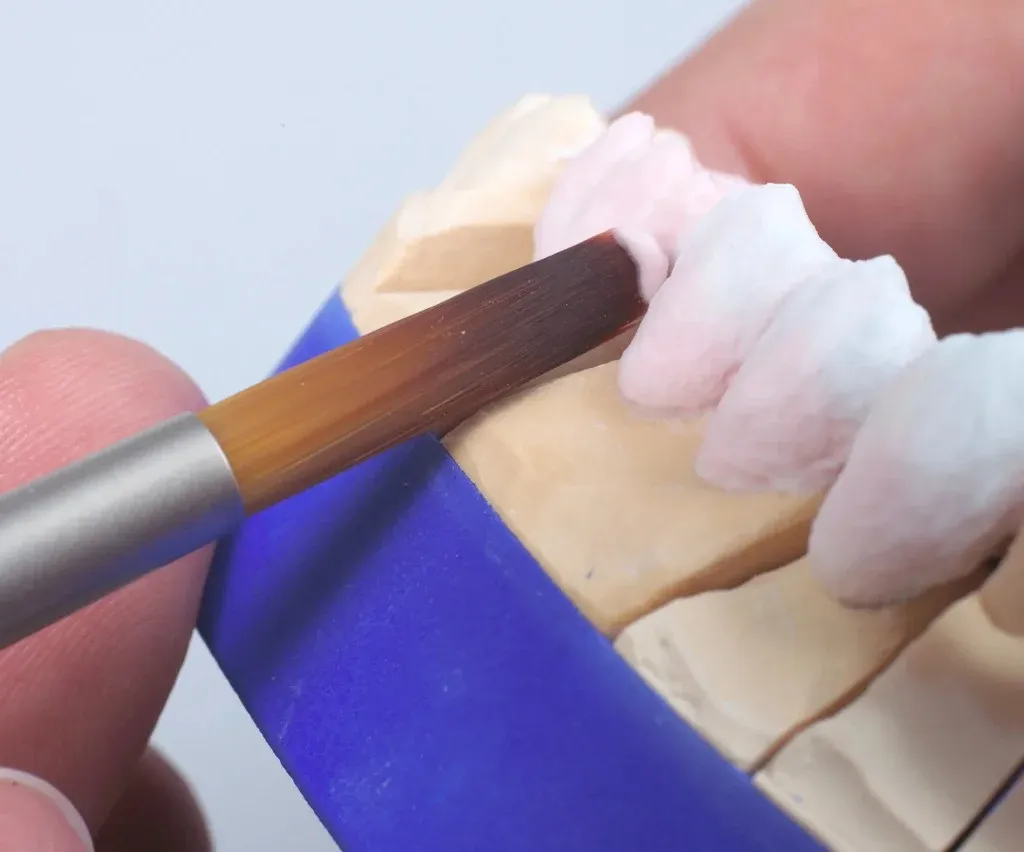
A ceramist layering feldspathic porcelain over a milled zirconia coping

At the Bench

Milled Core, Layered by a Ceramist

The coping is milled from zirconia and sintered, then a ceramist layers and fires porcelain over it for depth and characterization. Coping fit is checked on the die before layering, and shade is verified against your photos before glaze.

  • Coping adaptation: Verified on the die before any porcelain is layered.

  • Porcelain layering: Fired over the core for internal characterization and translucency.

  • Contacts and occlusion: Adjusted on the articulated model and checked against the opposing model.

Learn more

Before you cement

Cement conventionally or with self-adhesive resin. For an adhesive protocol, air-abrade the zirconia intaglio and use an MDP primer — do not HF-etch zirconia; unlike glass ceramic, it will not etch.

Case Selection

When PFZ Is the Right Call

Indicated for

  • Esthetic anterior and posterior units that want layered porcelain depth without a metal core
  • Cases you would once have prescribed as PFM but now want metal-free
  • Single units and bridges where a strong zirconia framework carries layered ceramic
  • Smile-line restorations needing internal characterization over a light-friendly core
  • Patients who prefer, or clinically benefit from, a metal-free restoration

Consider an alternative when

  • The patient is a heavy bruxer or clearance is minimal — monolithic zirconia removes the porcelain-chip risk
  • A veneer-thin, adhesively bonded esthetic case is better served by e.max
  • The occlusal scheme is unresolved and layered porcelain would be at risk
  • Maximum strength on a long-span posterior bridge is the overriding priority

Specifications

PFZ Crown Specifications

Preparation, cementation, and material data for planning the case chairside.

Typical parameters for the zirconia-cored, porcelain-layered crowns we make.
Substructure Milled zirconia coping or framework, sintered to full density
Veneering Feldspathic porcelain layered and fired over the zirconia core for depth and characterization
Esthetics No metal margin and a light-friendly core, so the cervical reads better than PFM in the esthetic zone
Occlusal reduction 1.5–2.0 mm to accommodate the coping and the porcelain layer
Axial reduction 1.2–1.5 mm
Margin design Defined chamfer or rounded shoulder; no metal collar
Cementation Conventional or self-adhesive resin cement; for adhesive protocols, air-abrade the zirconia intaglio and use an MDP primer (do not HF-etch zirconia)
Key consideration Layered porcelain adds esthetics but can chip under parafunction — monolithic zirconia is safer where load is the concern
Restoration types Single units, anterior and posterior, and multi-unit bridges
Turnaround Quoted per case at intake

Reduction figures are typical guidance for layered zirconia restorations and vary with core design and porcelain thickness. Confirm case-specific requirements with the lab before you prep.

Case Submission

Sending a PFZ Case

We accept scans from all major intraoral systems, including iTero, 3Shape, and Medit — or a conventional impression if your practice has not gone digital.

Include with the case:

  • STL of the prepped arch and the opposing arch
  • Bite registration
  • Calibrated shade photos — and a stump shade when the prep is discolored
  • A note on anterior vs posterior and any parafunction history
  • Photographs of adjacent teeth for the porcelain match

If the case is borderline between PFZ and monolithic zirconia, tell us about the occlusion and we will advise before milling. New to the lab? Open an account and we will walk you through the first case.

Start a case

Send one case. Keep the scanner.

Open a partner account and your first case moves with a shade record and our remake guarantee — if a unit does not seat, we redo it at no charge.

  • Free 3Shape TRIOS 6 scanner for active partners
  • Under-2% remake rate — remakes at no charge
  • One named technician you reach directly — no call center

Prefer to talk? +1 747-268-0808

No call center — you hear back from the lab, not a bot.

PFZ FAQ

PFZ Crowns — Questions Dentists Ask

PFZ gives you layered porcelain esthetics on a strong zirconia coping — useful where translucency and characterization matter but you still want zirconia strength underneath. Monolithic zirconia is simpler and tougher under parafunction. If the occlusion would chip layered ceramic, stay monolithic or cut back only where you can protect it.

Zirconia crowns

Both show up. We verify coping adaptation on the die before layering, check contacts and occlusion on the articulated model, and flag cases better left more monolithic because parafunction would threaten layered ceramic. If the records or the occlusal scheme raise a risk, we tell you before we build.

Often yes when the prep is discolored. The zirconia core is more forgiving than glass ceramic, but layered porcelain still reads against what is underneath. Send calibrated shade photos plus a stump shade on dark preps, and note anterior vs posterior and any parafunction history.

The coping is milled and sintered, then porcelain is layered and fired. An anterior unit with heavy characterization takes longer than a lightly layered posterior one. Complete records avoid a clarification round in the middle of that sequence.

For esthetic anterior PFZ, yes — see custom shade matching. On the edge between PFZ and monolithic zirconia, a quick conversation about occlusion usually settles the material before you cut the tooth.

Custom shade matching

Switching labs, de-risked

New to us? If a unit does not seat, we remake it at our cost when it is a lab error. We keep a shade record for your practice, so the second case starts from what worked on the first. See what the remake policy covers.

Partner Offer

A Free Intraoral Scanner for Partner Practices

Partner with Universal Dental Lab and we place a 3Shape TRIOS 6 Wireless in your operatory — free for the length of our partnership. Scan the prep, send it in seconds, and skip impressions entirely.